Ruby’s Story
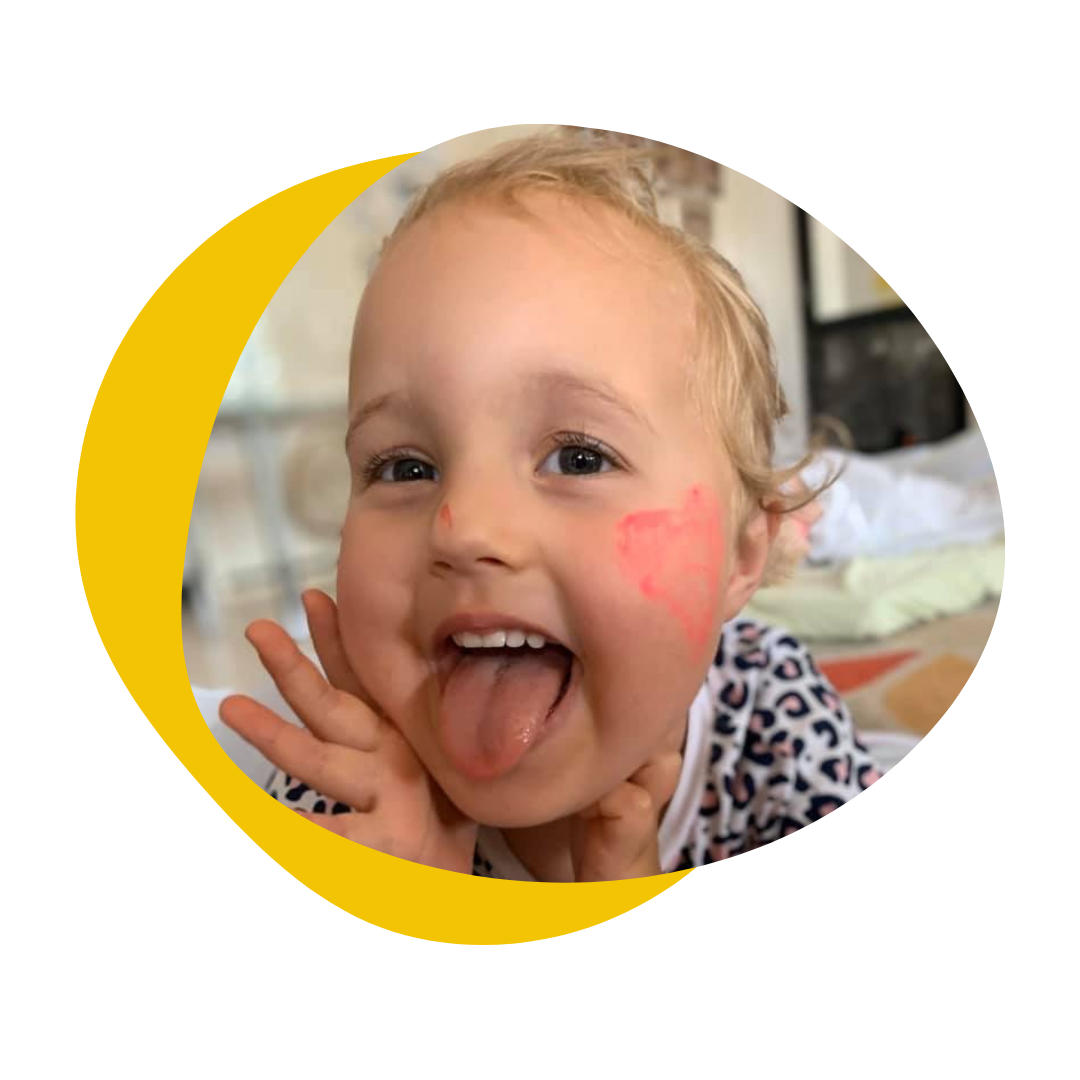
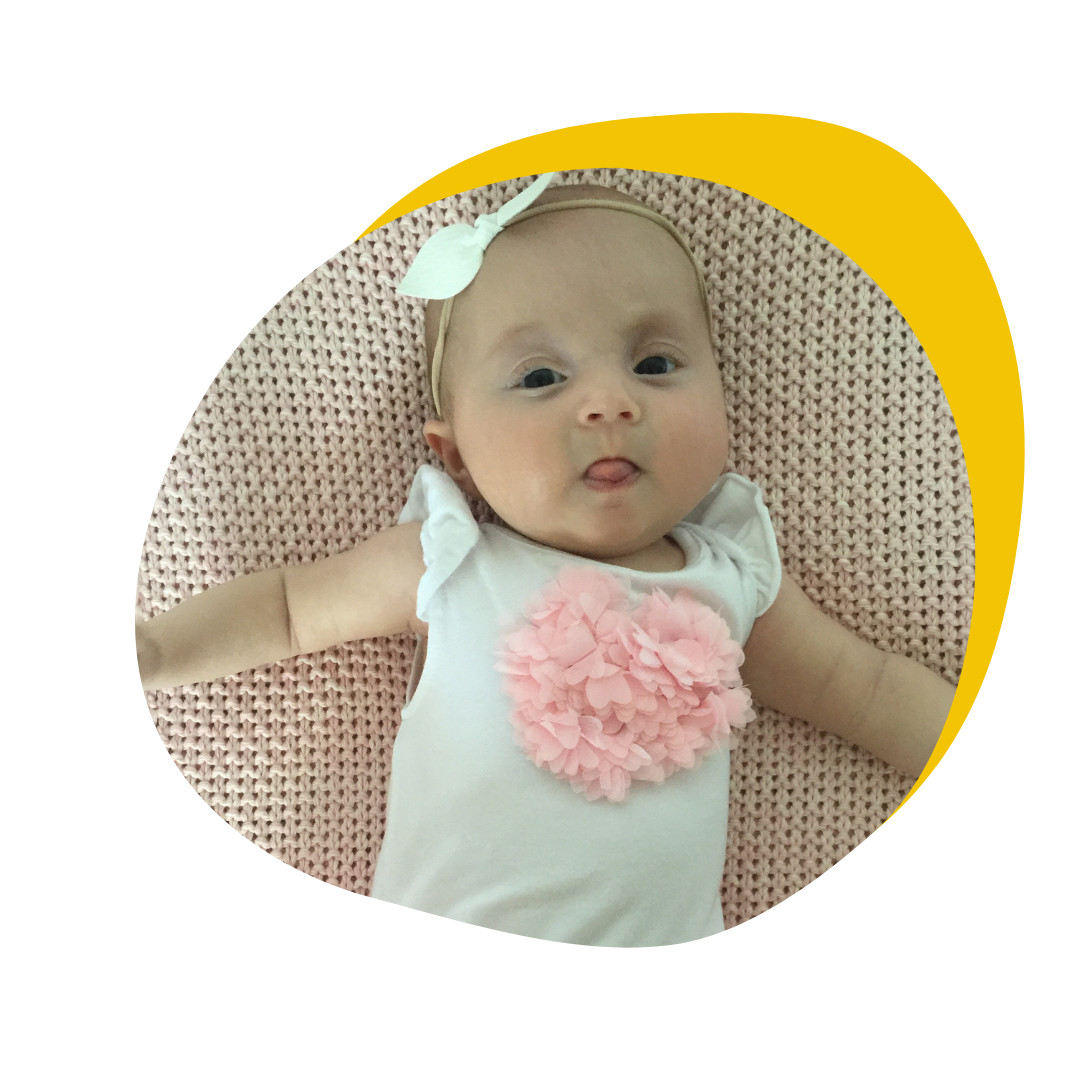
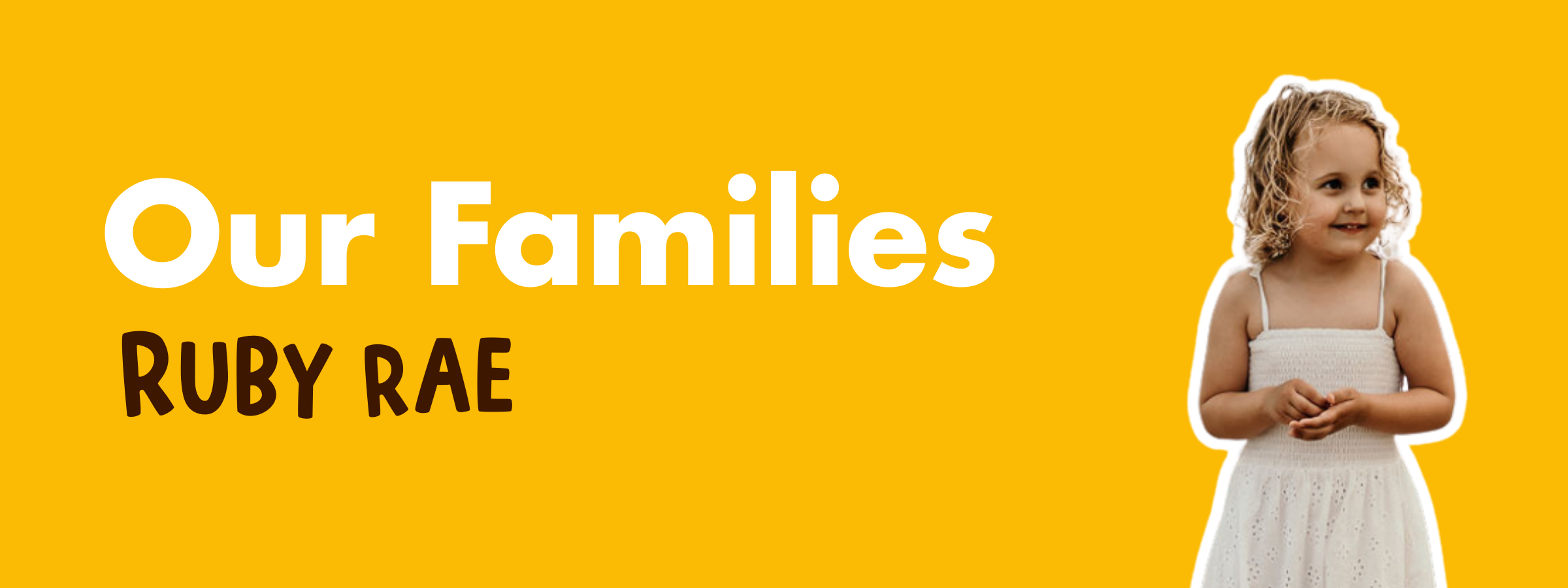
Our beautiful Ruby will always be the definition of perfect. She had long blonde curly hair that she was so proud of, as it nearly touched her bottom. She had a permanent smile on her face that always brought people joy. She had the ability to light up a room whenever she walked into it. Whoever met Ruby always commented on how lovely she was. She had the kindest heart that always looked out for others. She was pure magic.
Unfortunately, the torturous nature of DIPG was out looking to sabotage Ruby. We first noticed Ruby’s symptoms roughly 6 weeks prior to her diagnosis. She woke up one night with a headache, her moods had changed, she looked pale, she was tired, dizzy, and losing fine motor skills. I repeatedly reported these symptoms to our GP and specialists at our local Paediatric Hospital, Queensland Children’s Hospital (QCH). Ruby’s prior diagnosis of bronchiectasis (a lung condition) was blamed for her recently new symptoms. Regrettably, Ruby’s regular respiratory specialist was on leave when we saw the hospital’s respiratory department. I urged the senior specialist on the day to please listen to me as I didn’t think her most recent symptoms were due to her lungs. He dismissed my concerns and directly told me not to present to the Emergency department as this issue would be solved with a PICC line insertion and strong antibiotics. This was organized to occur within a fortnight. I thankfully documented this encounter and now look back and don’t understand how he got it so wrong, why he didn’t listen to me, why he didn’t investigate my concerns more, her symptoms were neurological, not related to her lungs!
While waiting for the PICC line, Ruby’s symptoms increased. She couldn’t enjoy her 6th birthday party she was so looking forward to; she didn’t feel right. I still was reporting these symptoms to our GP and Hospital. The night before Ruby lost the ability to walk straight, she dropped her plate after dinner. She was noticeably frustrated and upset with herself, rightly so, as she was losing the ability to be a child. I comforted her and added it to my never-ending list of symptoms I still have to this day, a list doctors disregarded for nearly two months now. The following day we went to the beach, Ruby couldn’t walk; each step she took she fell. It was heartbreaking; I recorded it to show doctors. This was my final straw. I immediately took her to the Sunshine Coast Hospital as we were visiting there. At first, once again, my concerns were being dismissed, then a junior doctor took the time to listen to me. He pushed to get an emergency MRI. After the MRI, I thought it was odd how nice everyone was being to us. Hours later, a senior doctor asked to speak to me; she was holding a box of tissues, I knew what that meant. I was escorted to a private room where I was told, “Ruby has a large mass on her brain.” I screamed. Once again, no answers could be given. We were transferred to Brisbane’s QCH that night.
On arrival at QCH, I was having a panic attack. I was unable to walk, breathe, or talk, I needed a wheelchair. My aunt met us at the hospital as my husband stayed with our 3-year-old at the coast. Due to COVID restrictions, my aunt wasn’t able to enter the emergency department, I was left alone. Alone with a scared, tired, confused, and sick child.
The following morning, our family was able to visit. We still knew nothing. Hours passed until we met with the neurosurgeon who told us her brain tumour was inoperable. When I asked further questions and specifically asked, “Is my daughter going to die?” he put his hand up in my face and firmly said, “Stop, we are stopping the conversation here!” I was shut down once again!
We waited another 6 hours to see an oncologist. We were told Ruby has the deadliest cancer and to go make memories. No successful treatment, no options, no hope. We were asked if we wanted to do a biopsy on her tumour directly after this news. A biopsy would inform us what gene marker the tumour contained. However, it is a seriously dangerous procedure that other children have been severely disabled from, and some died from it. This wasn’t a risk we wished to take, so we declined.
This one brief traumatizing encounter with the oncologist was the only conversation we had with him for the next two weeks as he went overseas. We were left in limbo, knowing our child was dying without any answers. When he did return, I received a phone call, 5 hours delayed. It was brief, short, and rushed. Once again, not listened to, and all my questions left unanswered. A week later, we had an in-person appointment with our oncologist before we started palliative radiation. He ran 2 hours late; we had to leave and miss our appointment due to Ruby needing to be at radiation. Once again, no answers.
When we finally did meet with our oncologist after multiple complaints to the hospital about our treatment, I was once again shut down when asking about clinical trials and just generally wanting information. I made further complaints to the hospital and health minister; this still didn’t give me the answers I was looking for. We once again had an appointment with our oncologist who told he was leaving for an extended period of time. During this appointment, he told Ruby she had a brain tumour, after I specially requested for this not to be mentioned or even spoken about in front of her! This was documented in all patient notes, and I specifically always brought another person with me, so Ruby was able to be taken out of the room when we needed to talk about information regarding her brain tumour. I was mortified! My daughter had the deadliest childhood cancer and no oncologist! He just told her she had a brain tumour! There was no contingency plan; we were doctorless! After making further complaints, we fortunately struck gold and got an oncologist who was compassionate, listened, and genuinely cared about Ruby. Our new oncologist met with us weekly, then fortnightly. I was able to openly run ideas by him; he advocated for Ruby’s needs; he treated her like the beautifully innocent child she was.
As we opted not to do a biopsy of Ruby’s tumour due to safety concerns, we were ineligible to enrol in clinical trials. This meant we were forced to buy a trial drug from Germany for $20,000; this only was for 3 months’ worth. When this arrived in Australia, we then had to pay a 10% tax upon the $20,000 we had already paid. We paid this amount twice, totalling roughly $45,000. Besides these costs, we had to pay for all her extra medical expenses, aids, adjustments to our house, and therapies. Therapies consisting of hydrotherapy and music therapy, aids to help with fine motor skills, ASO and AFO ankle braces, house adjustments to help ruby mobilise, shower and toilet. Unfortunately, a wheelchair wasn’t able to be purchased, Ruby had to use her sister’s pram, this was the only option we had to get Ruby out of the house.
In a letter written from QCH’s senior oncology occupational therapist, she stated, “We do not routinely support the application for the NDIS for patients with Ruby’s diagnosis because it takes a long time for the process to be completed and to be able to access therapies.” This is a direct quote from an email when I asked for a support letter for Ruby’s NDIS application. She may as well have said Ruby is going to die before her application is approved. This was just another systematic failure.
On the 1/3/2023, Ruby called out at 2 am, “Mummy, mummy!!” I rushed in; she was holding her head and complained of a major headache. I quickly called palliative care; they advised to give her medication, I did so. She started to vomit and roll around in agony; I called palliative care again, they advised to give more pain medication. She then became unconscious, her breathing slowed. I called an ambulance thinking I had overdosed her. She was intubated in her bed where she had slept her whole childhood. Our 3-year-old was asleep in the room
next door, not knowing her sister was dying.
We rushed to QCH where an MRI showed Ruby had devastating complications of DIPG. She had hydrocephalus, leptomeningeal spread, and meningitis. My poor innocent child, just 6 years old, had been tortured for the past 5 months. It was time she rested and had a chance to be at peace. We chose not to wake Ruby up from the induced coma she was in. She didn’t need to be traumatized more. In one final act of kindness, Ruby donated her tumour to research, in hope to save other children.
Ruby was transferred to Hummingbird House, where she would pass away. Losing a child is the worst grief anyone can experience. However, ours was compounded by medication complications and organizational errors. Hummingbird House ran out of the medication Ruby needed to help keep her comfortable while she passed away. An on-call doctor had to be called in out of hours to write a script. This script then had to be processed externally, taking nearly 4 hours. During this time, we listened to Ruby’s “death rattle” increase and worsen. Once the needed medication arrived, Ruby soon after passed at 11:58 on the 1/3/2023 while
in my arms.
For Ruby to donate her tumour after she passed, she needed to be transferred to the Royal Brisbane Hospital Tumour Bank. This was previously organized while at QCH, and I was told this would occur the following morning. Throughout the night, I confirmed with the Hummingbird House staff that this was still occurring. I was reassured multiple times that it is correct. This was so important to me as it meant Ruby was able to donate her tumour in the morning, then be cremated, then returned to me by the afternoon. Devastatingly, this isn’t what happened.
Due to communication and organizational errors, Ruby was taken from us twice. My husband carried her lifeless body onto a stretcher twice.
We were given the option of Ruby donating her tumour then staying in the Royal Brisbane Hospital morgue for the night then being cremated. Or doing tumour donation then Ruby returns to us at Hummingbird House. We opted for the second option. Due to this, she had to be placed in a cold room, one like at the bottle shops, with the big sliding doors. It was made into a room with a temperature of 4 degrees. She laid on dry ice that needed to be regularly changed to keep her cold. I still have nightmares of how cold she was; I picture
myself hugging her and breaking her neck due to her being frozen.
The following morning after she returned to us, she was taken again, this time to be cremated. For one last kick in the guts, we were told there were no urns in the whole of Brisbane that would fit Ruby’s ashes. We spent the whole day pleading and trying to find something she could be placed in. We found a jar; it wasn’t perfect, but it was something, this is where she rests surrounded by all her favourite things and photos in our lounge room.
Our story is traumatic, but it is our real life, just like so many others in Australia. This is DIPG. It is the deadliest childhood cancer that everyone says is too rare; it won’t happen to you. Being a paediatric nurse myself, I never thought I’d be watching my own child die. I plead for you to say Ruby’s name, to remember her beautiful long curly hair, her smile, and her pure love for life. She deserved to live a full happy life. Please, we need to fund DIPG research to save our children.
Forever Ruby’s Mum,
Hannah Pringle