MEET DUN LAB
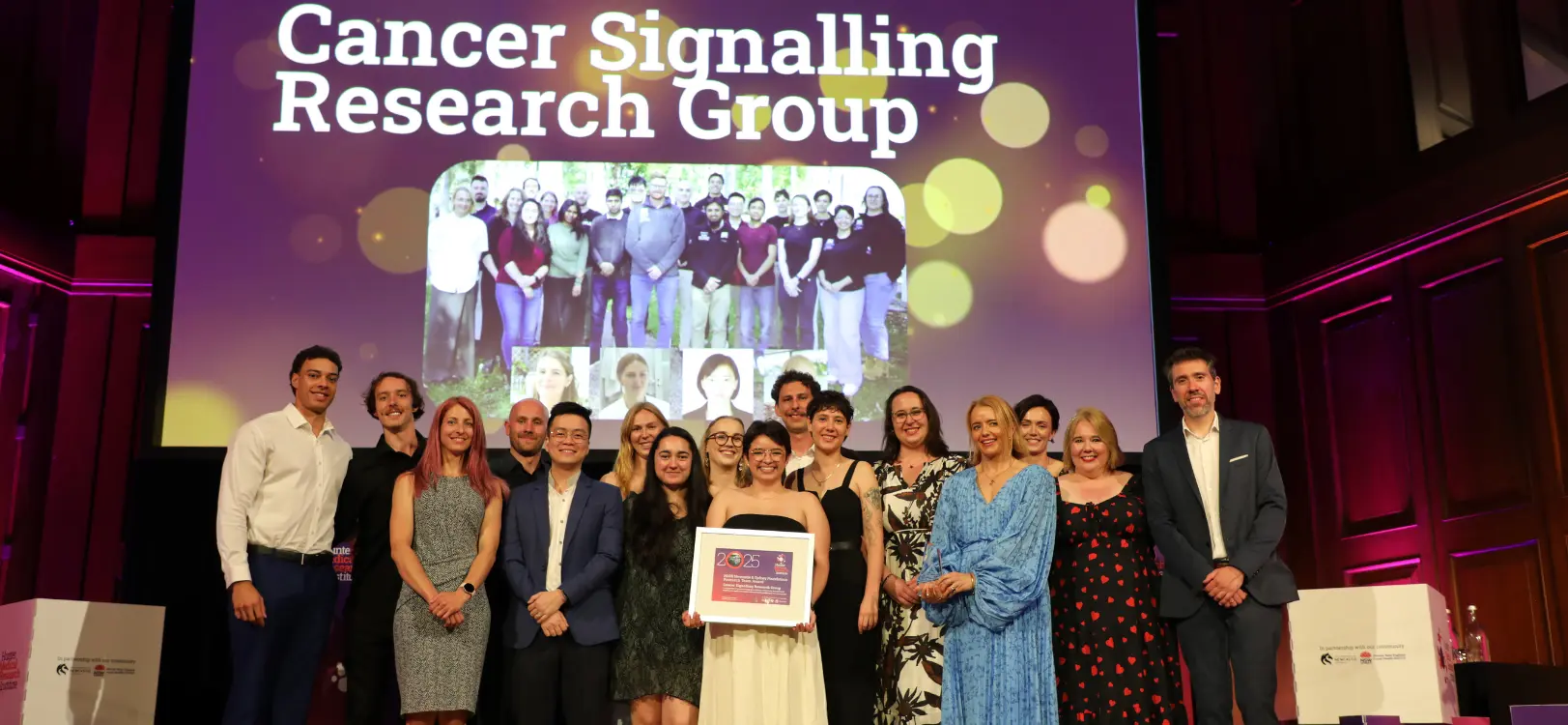
Professor Matt Dun & The Cancer Signalling Research Group – AKA “Dun Lab”,
The University of Newcastle (UoN) & Hunter Medical Research Institute (HMRI).
Leading the Cancer Signalling Research Group (CSRG) at The University of Newcastle, Hunter Medical Research Institute, Matt and his team use DIPG/DMG tumour samples to study how the cancer works – particularly the biological and environmental features that control tumour cell growth, and its response (or resistance) to experimental therapies. The specialised techniques, quality work, and collaborative approach of Matt and his team have already helped bring treatment options to clinical trial – a fantastic achievement within 4 years of establishing the research program. With a decorated career studying leukemias prior to daughter Josephine’s DIPG diagnosis, Matt knows DIPG/DMG research can bring about improved patient outcomes, just as has been achieved in blood cancers in recent times. RUN DIPG are immensely proud to support the work of the Dun Lab, alongside other fantastic researchers that are dedicated to #MovingTowardsACure.
MEET THE TEAM
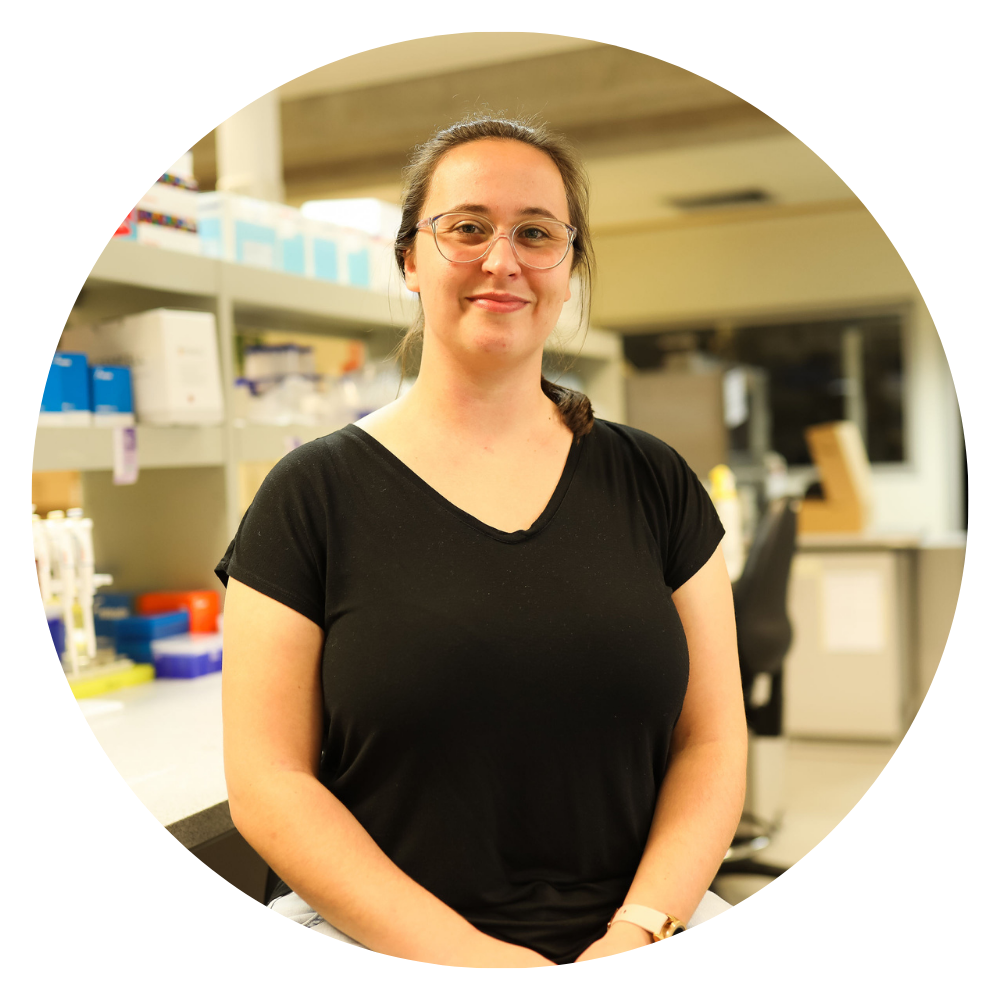
Dr Evie Jackson
BBiomed Sci (Honours)
& PhD (Medical Biochemistry)
BBiomed Sci (Honours)
& PhD (Medical Biochemistry)
The Kid’s Cancer Project Col Reynolds
Early Career Fellow
Dr Evangeline Jackson is a postdoctoral researcher within University of Newcastle’s Cancer Signalling Research Group. Under the guidance of Prof Matt Dun, Evie is a long-standing and instrumental member of the Dun Lab.
Despite the infancy of her career, Dr Jackson’s capabilities have been recognised by national and international stakeholders. In 2023, Evie received the “Marit Mary Swenson Award for Pediatric DMG/DIPG” at the Society for Neuro-Oncology Annual Meeting (Vancouver, Canada) and announced as the Col Reynolds Early Career Fellow (2025-2027) by The Kids’ Cancer Project.
Evie applies her love of science and research expertise wholeheartedly when studying how DMG/DIPG tumours respond to, or resist, experimental therapies. Through her undergraduate, Honours and PhD studies (2018-2023), Dr Jackson’s body of work evaluating paxalisib and ONC201 made significant contribution to the preclinical evidence supporting the therapies’ inclusion in the ‘PNOC022’ international clinical trial.
Dr Jackson is presently evaluating how to enhance the benefit of paxalisib and ONC201 in clinical trials. Using specialist skill in cell and molecular biology, she asks “how can we ensure a durable survival benefit?” as some patients respond better than others, and, “how can we minimise side effects” to ensure a safe experience for those facing DIPG.
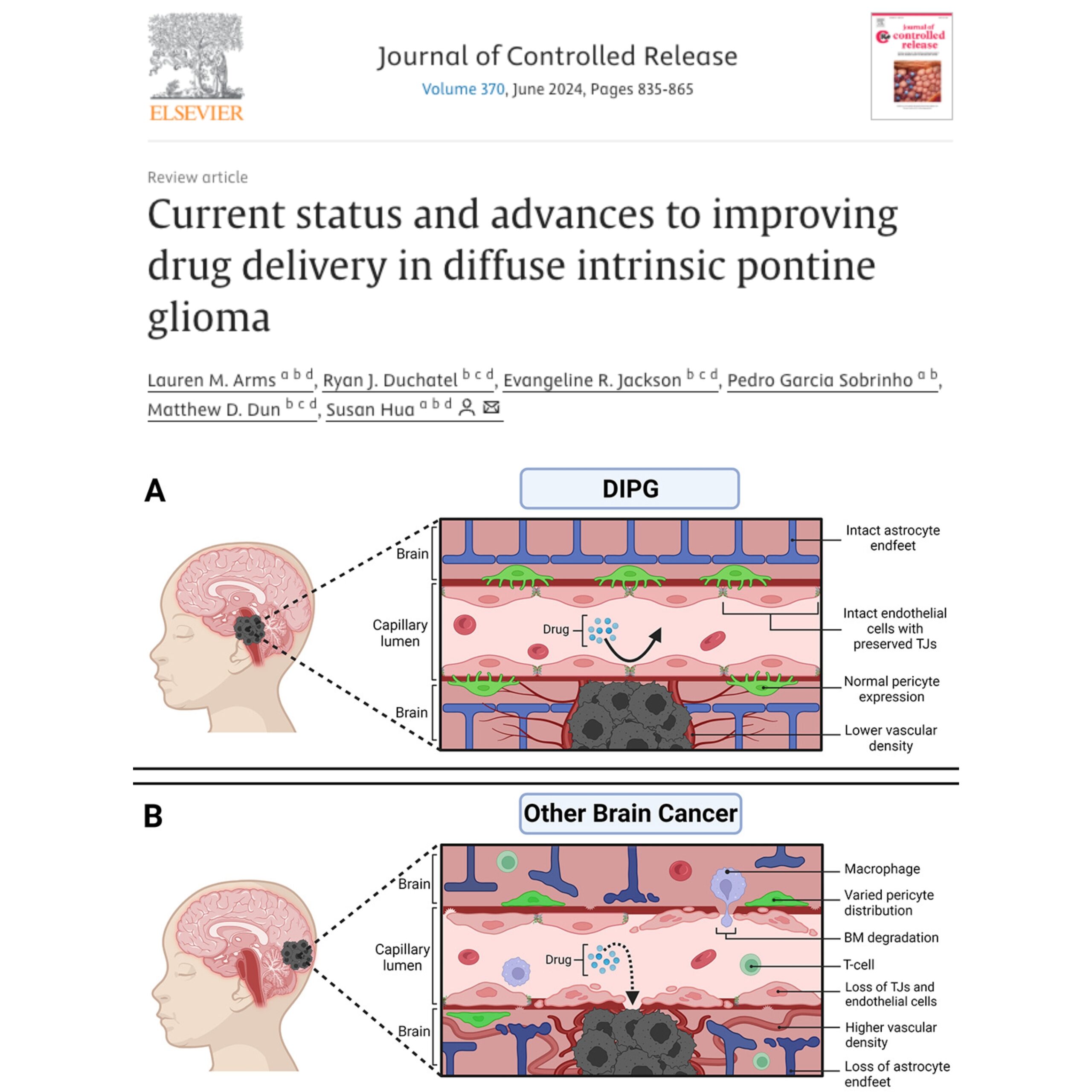
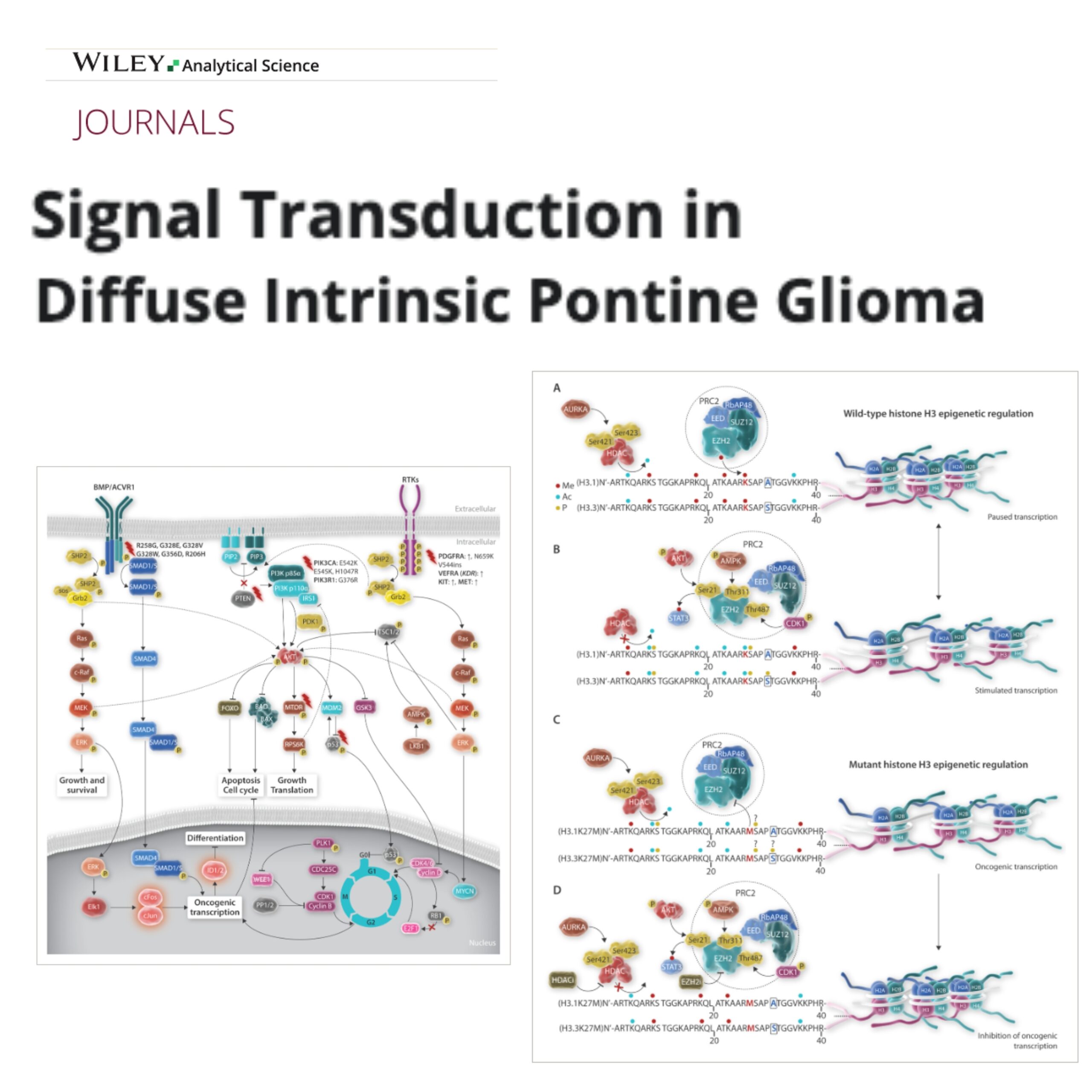
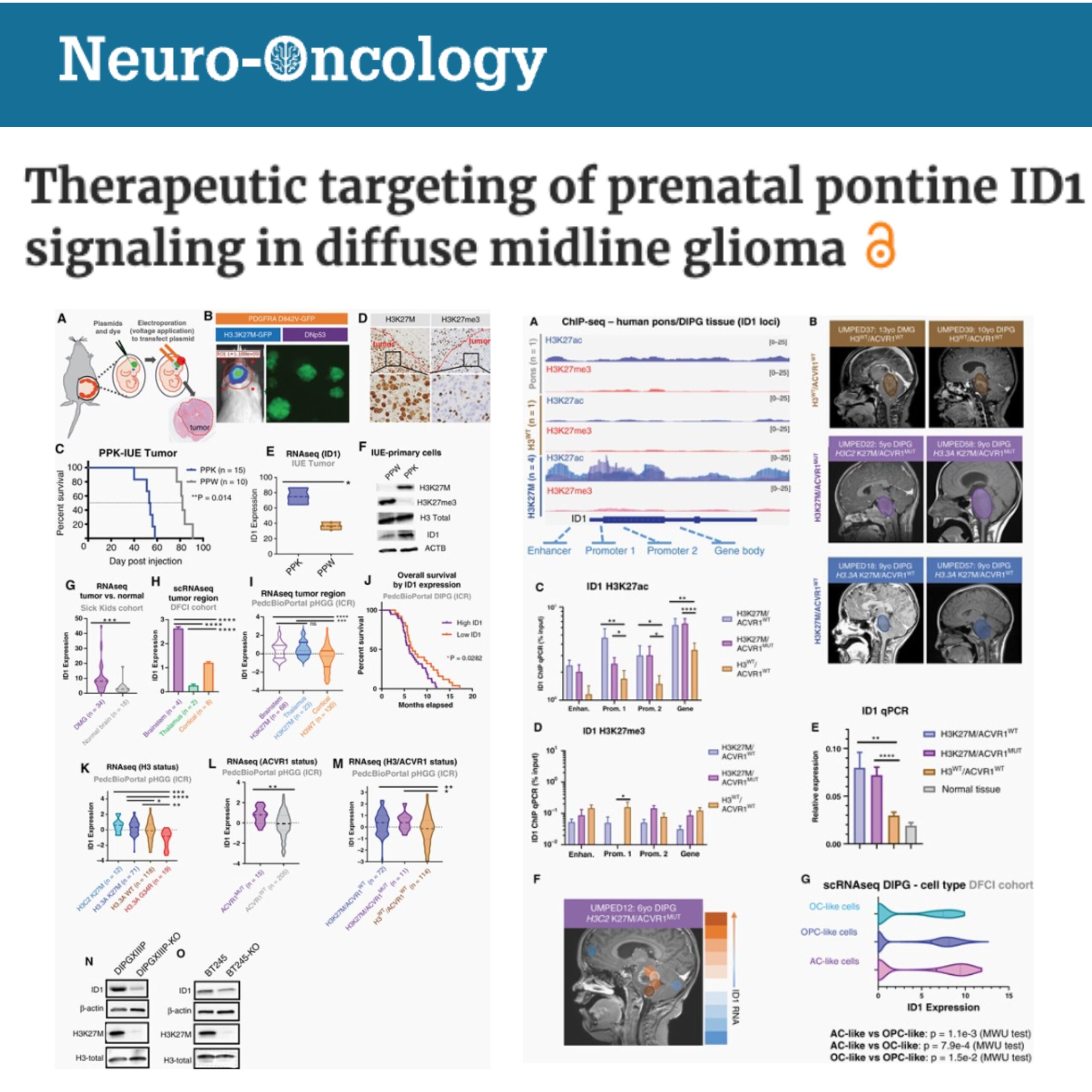
Penned alongside Prof Dun and Dr Duchatel, Evie’s evaluation of the signalling pathways controlling DIPG tumour growth can be found here.
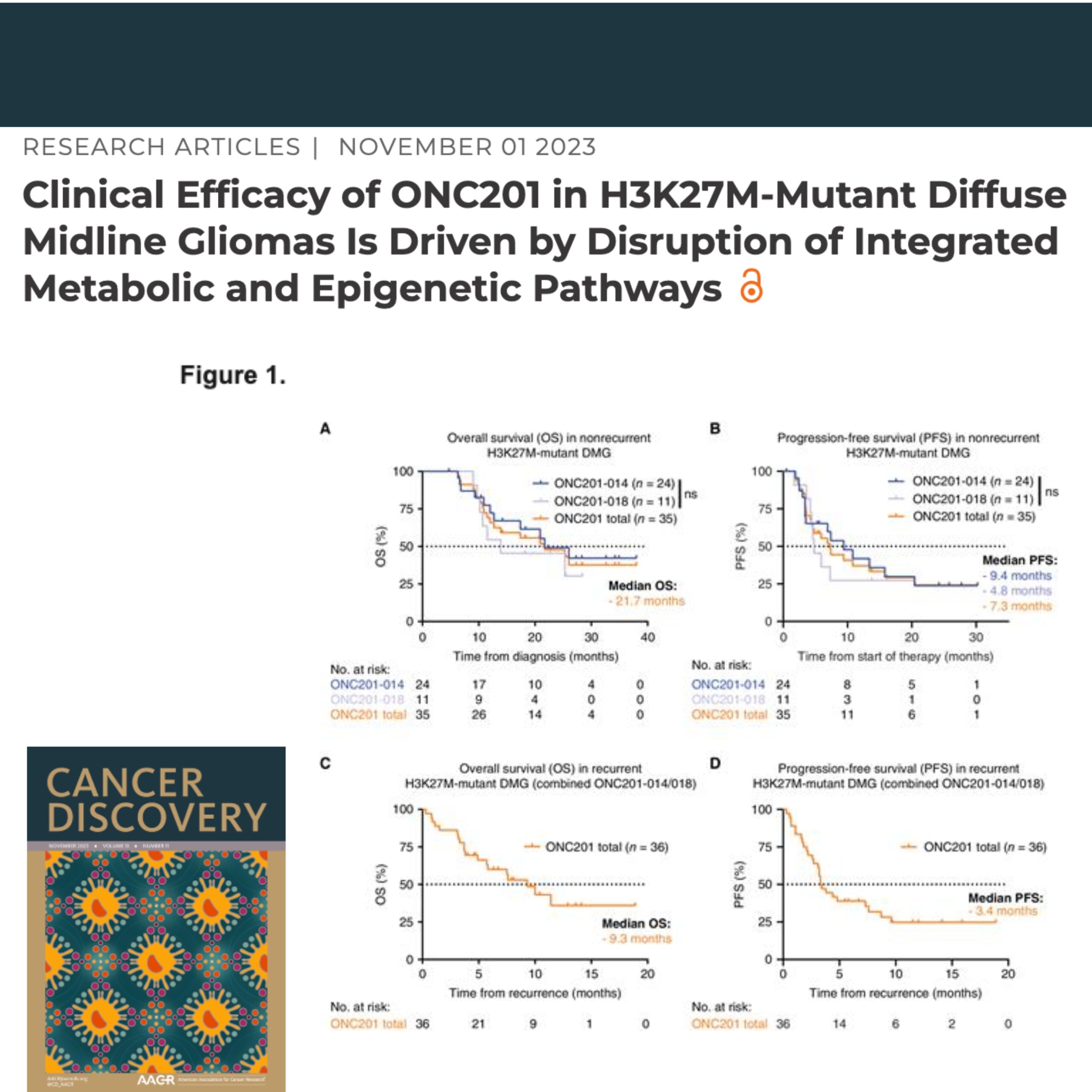
Read ONC201 in Combination with Paxalisib for the Treatment of H3K27-Altered Diffuse Midline Glioma which discusses drugs that target the mechanisms controlling DMG tumour growth, including ONC201.
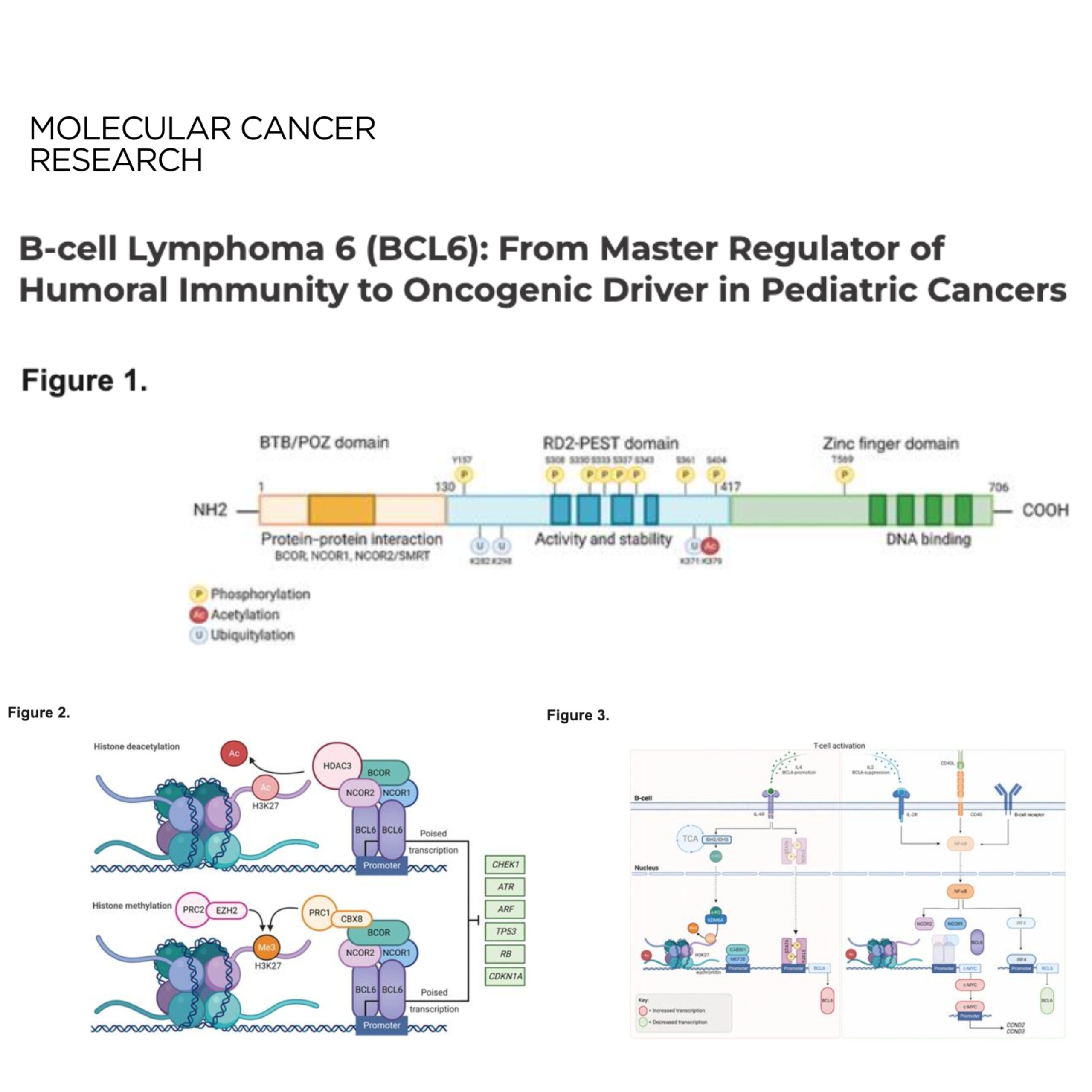
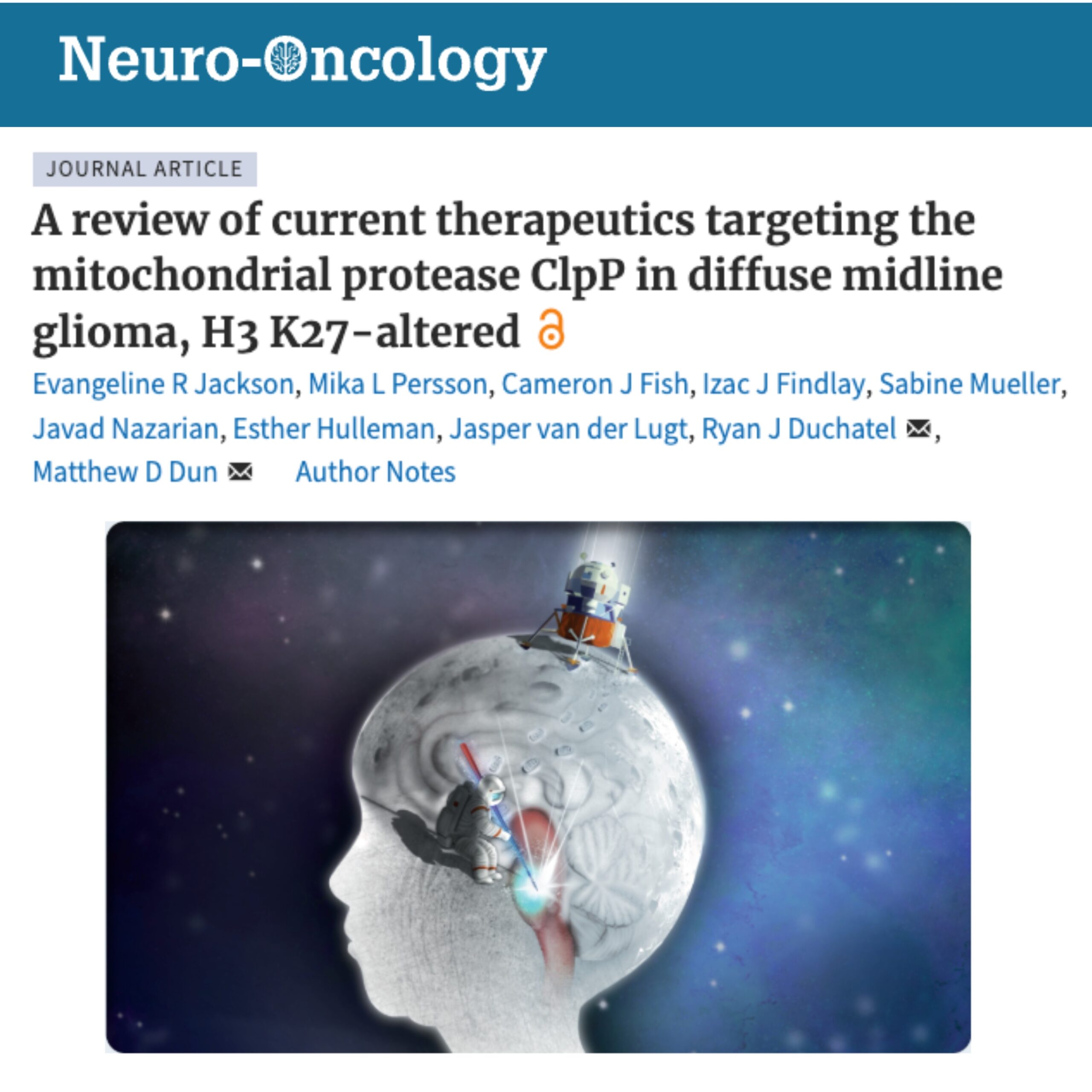
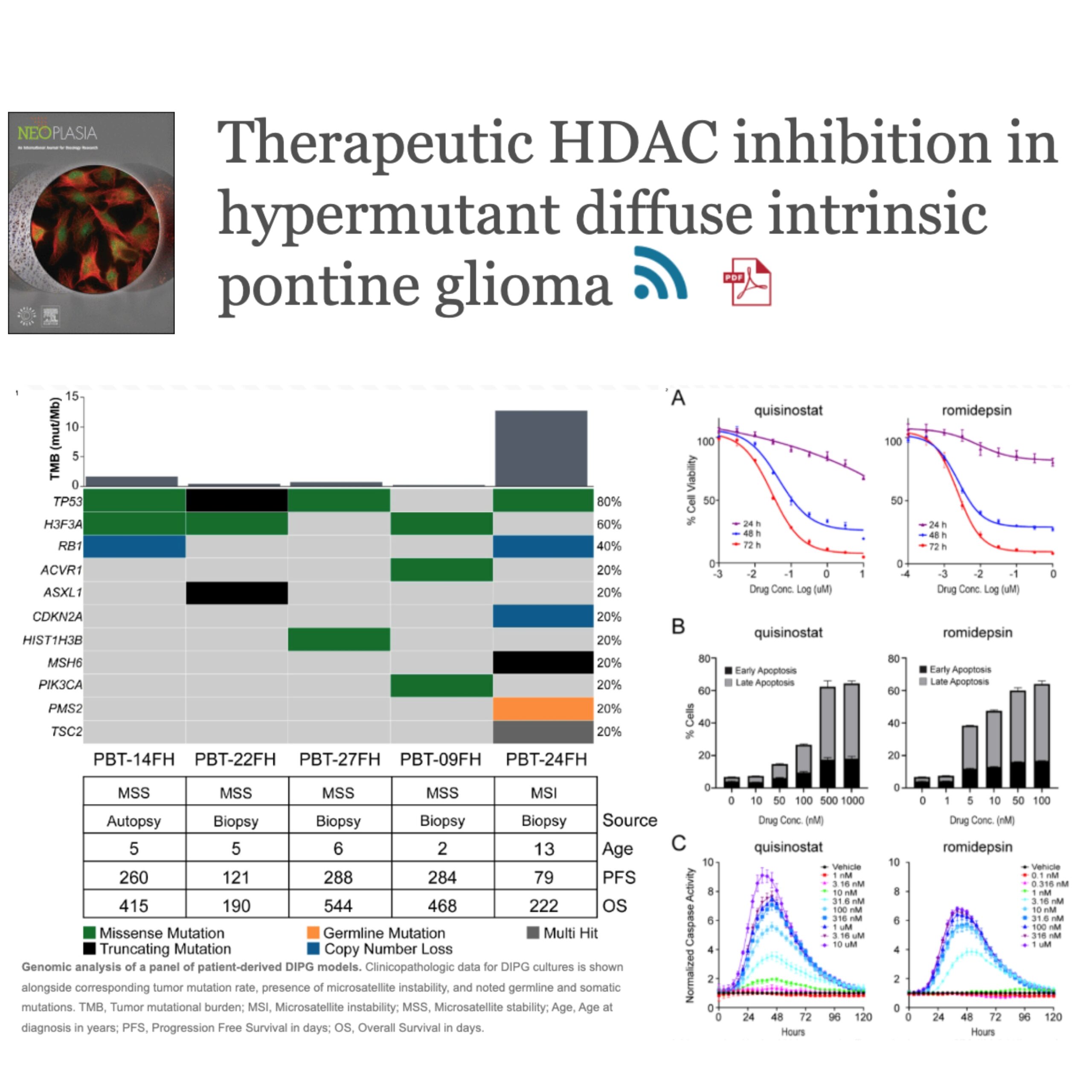
Co-authored with Dr Ryan Duchatel, read A review of current therapeutics targeting the mitochondrial protease ClpP in diffuse midline glioma, H3 K27-altered looking at the preclinical evaluation of the combination of ONC201 and paxalisib.
Read her bio on Google Scholar Here.
Read her researcher’s bio on Research Gate here.
Access Evie’s professional profile here.
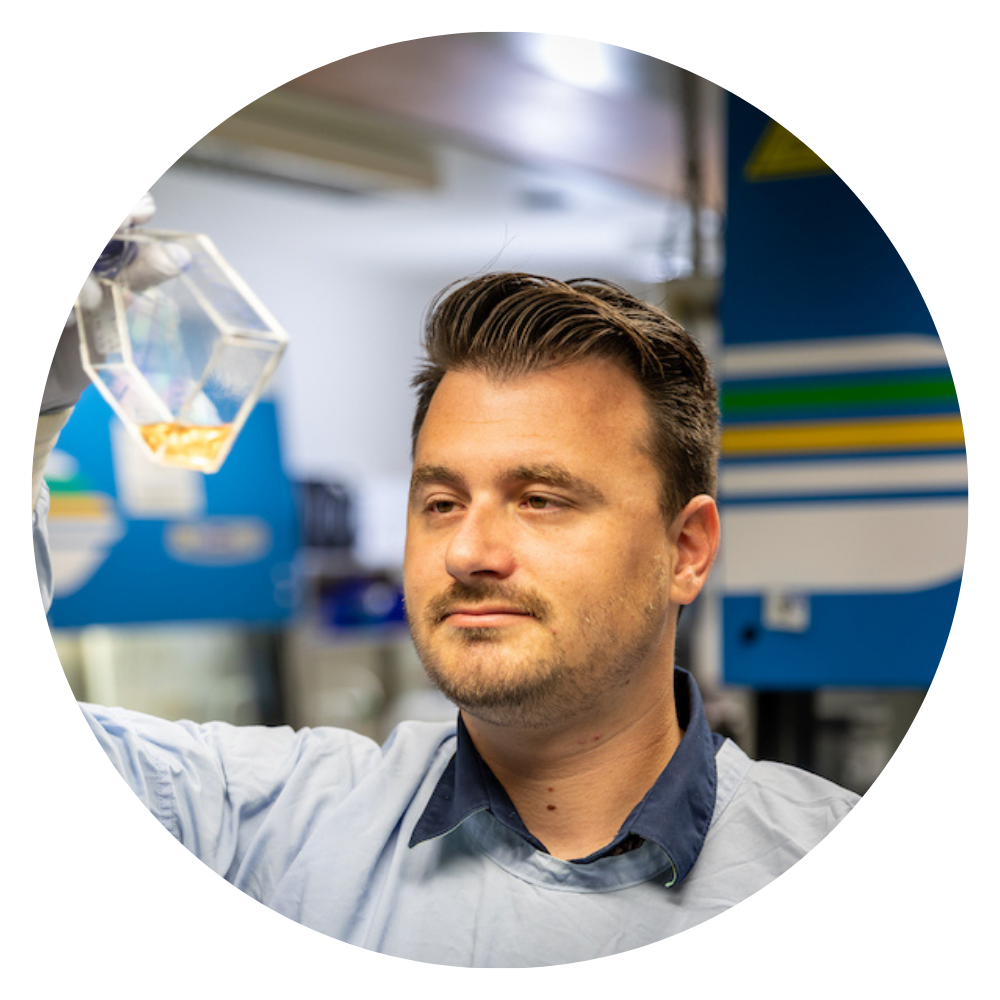
Dr Ryan Duchatel
PhD Experimental
Pharmacology
PhD Experimental
Pharmacology
Cancer Institute NSW Career Development Fellow
Dr Duchatel is a Postdoctoral Fellow with the Cancer Signalling Research Group. With expertise in animal modelling, Ryan leads the DMG/DIPG in vivo studies at UON/HMRI; a crucial aspect of understanding how lab-based findings may be translated to clinically benefit patients with DMG/DIPG. Dr Duchatel’s PhD in Experimental Pharmacology (focused in schizophrenia) provides intricate insight into the requirements of drug candidates if they are to indeed extend patient survival, as does his training with field leaders Prof Michelle Monje (Stanford University) and Dr David Ziegler (Children’s Cancer Institute). Dr Duchatel is most proud of his contribution to the development of the PNOC022 clinical trial protocol (anticipated to open in Australia in August 2022) which evaluates the place of paxalisib, ONC201 and radiation therapy in the treatment of DMG. His latest study evaluating how to maximise the effect of paxalisib was presented at the Australian and New Zealand Children’s Haematology and Oncology Group Annual Scientific Meeting in July 2022 and was well received.
Read Dr Duchatel’s paper evaluating German-sourced ONC201 (that is bought by families unable to access the drug via clinical trial) can be found here.
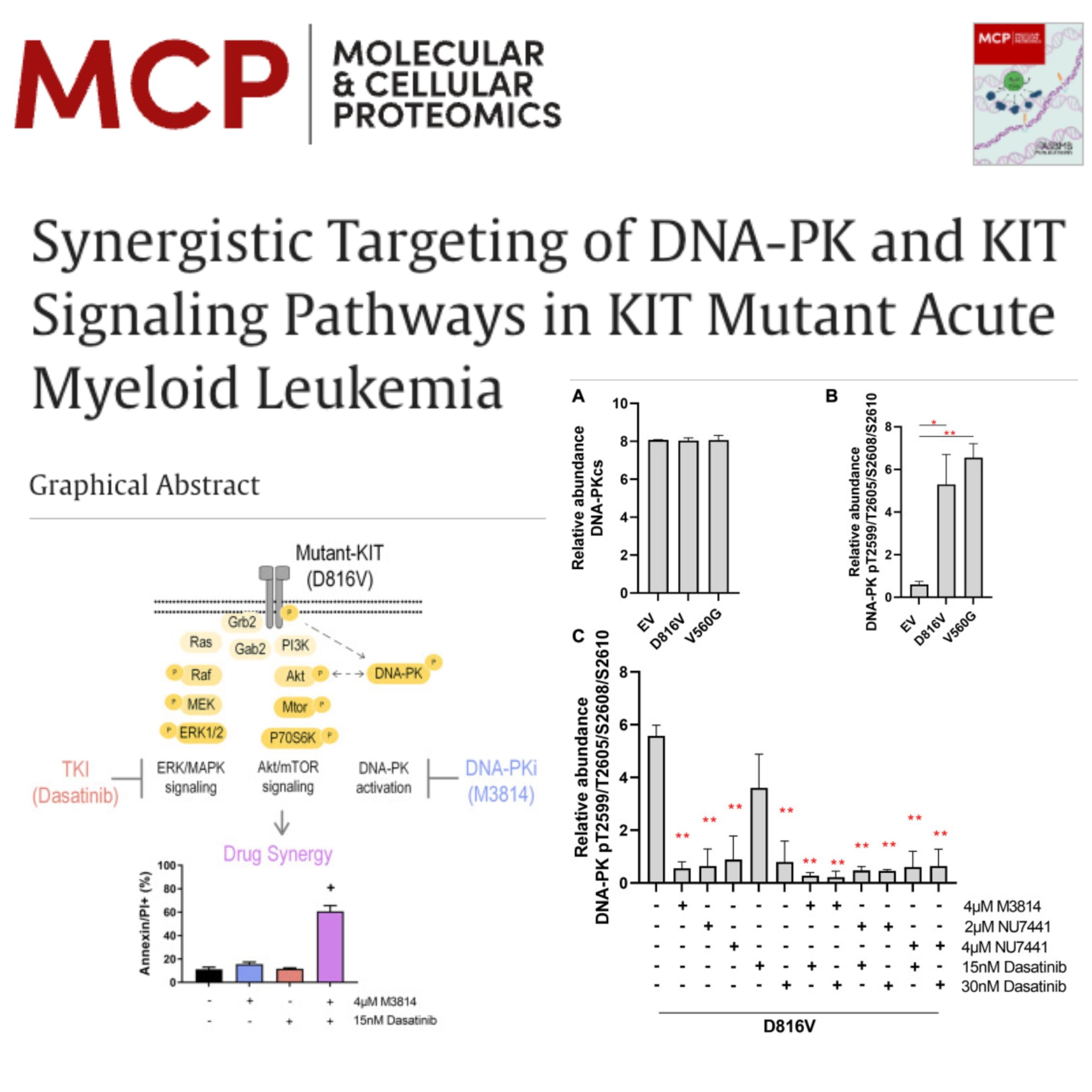
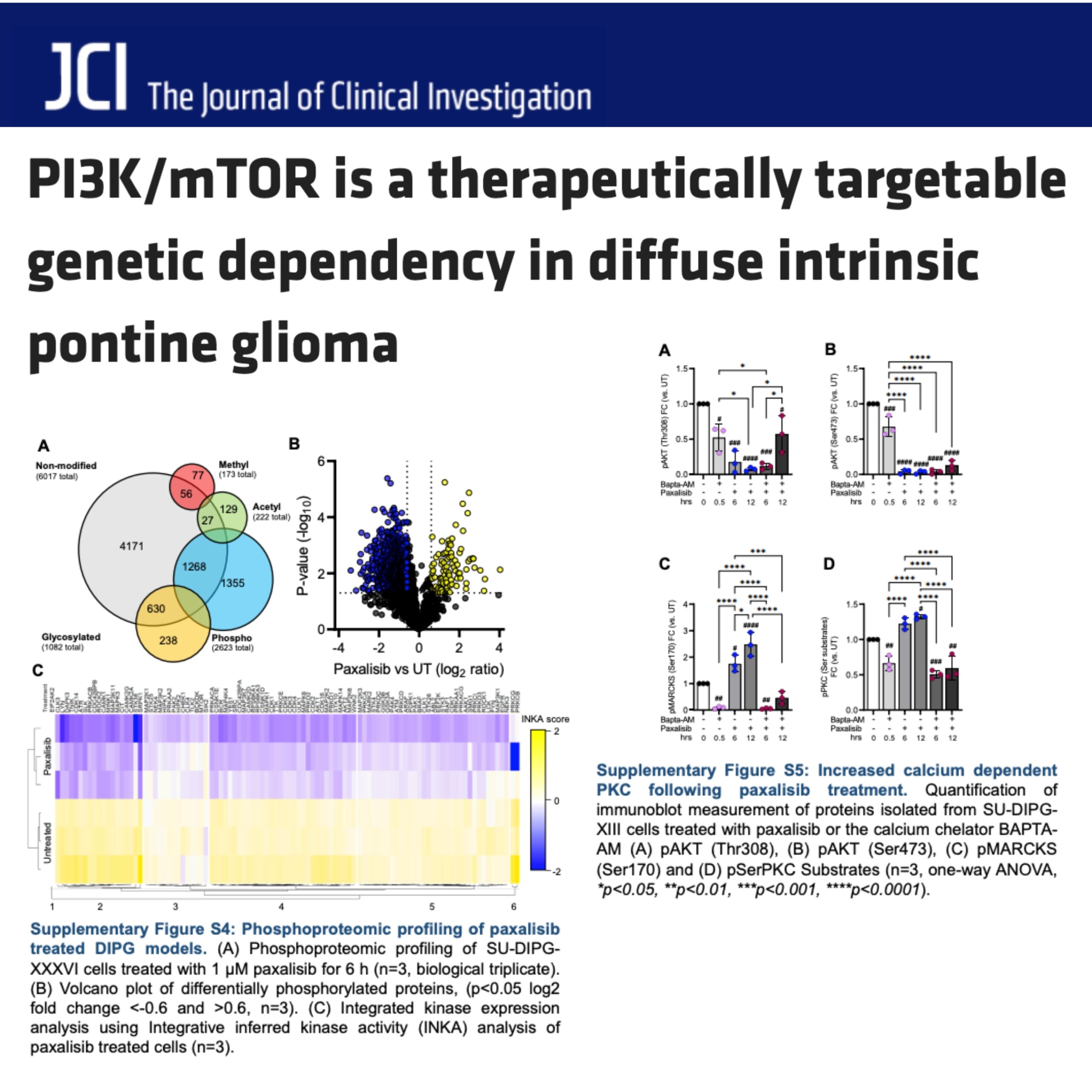
Read his latest here: PI3K/mTOR is a therapeutically targetable genetic dependency in diffuse intrinsic pontine glioma.
Read his researcher’s bio on Google Scholar here.
Access Ryan’s professional profile here.
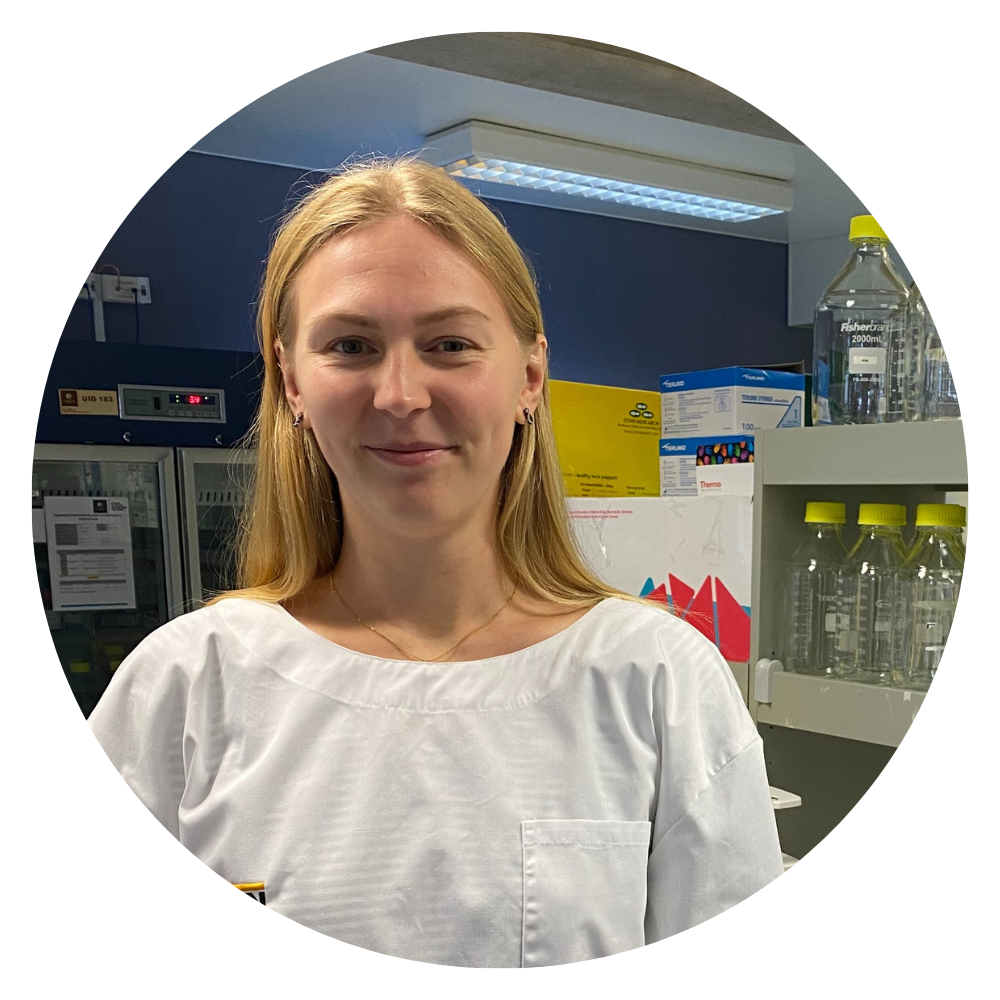
Dr Mika Persson
B. Biomedicine & PhD (Medical Biochemistry)
B. Biomedicine & PhD (Medical Biochemistry)
Postdoctoral Research Fellow
Hailing from Sweden, Mika Persson received the inaugural RUN DIPG International HDR Scholarship in 2020. As was the way with most things that year, COVID-19 forced a pivot to the commencement of Mika’s PhD studies. Unable to travel to Australia, Mika began her project (seeking to find tumour-specific characteristics on the surface of DMG cells that may be targeted by immune-based therapies) in the Danish laboratory of Prof Martin Larsen. A world-leader in mass spectrometry techniques (and mentor to Prof Matt Dun) Mika was able to turn the experience into a valuable period of training that will serve her and her CSRG colleagues well in the coming years. With her PhD awarded in December 2025, RUN DIPG are looking forward to the great things Dr Persson will achieve for the DIPG/DMG research field and families alike.
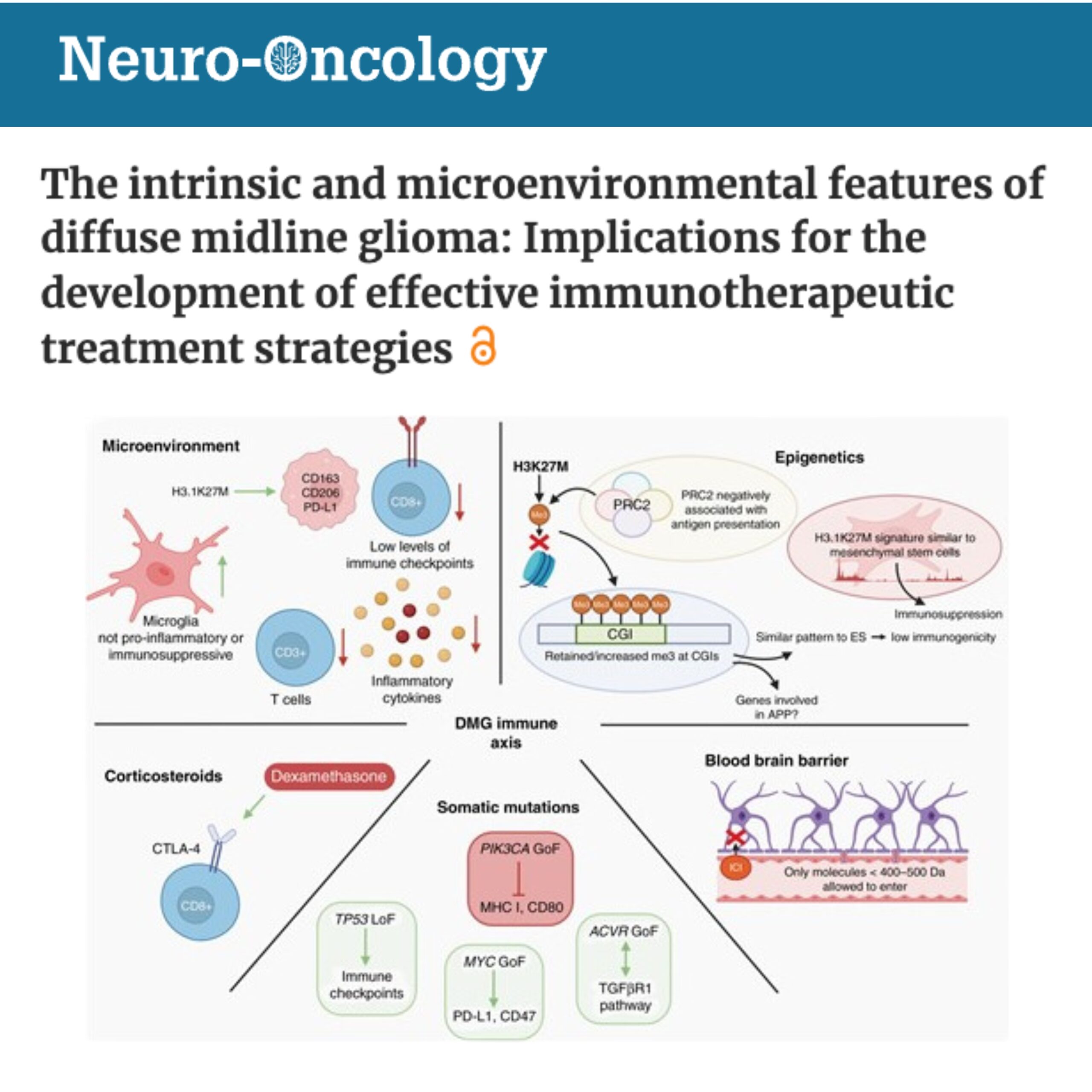
Mika was recently awarded “Best Student Oral Presentation” at the Australian Society for Medical Research Newcastle Annual Scientific Meeting and her latest publication examining ‘The intrinsic and microenvironmental features of diffuse midline glioma: Implications for the development of effective immunotherapeutic treatment strategies’ can be found here.
Mika was recently awarded “Best Student Oral Presentation” at the Australian Society for Medical Research Newcastle Annual Scientific Meeting and her latest publication examining ‘The intrinsic and microenvironmental features of diffuse midline glioma: Implications for the development of effective immunotherapeutic treatment strategies’ can be found here.
Read her researcher’s bio on Research Gate here.
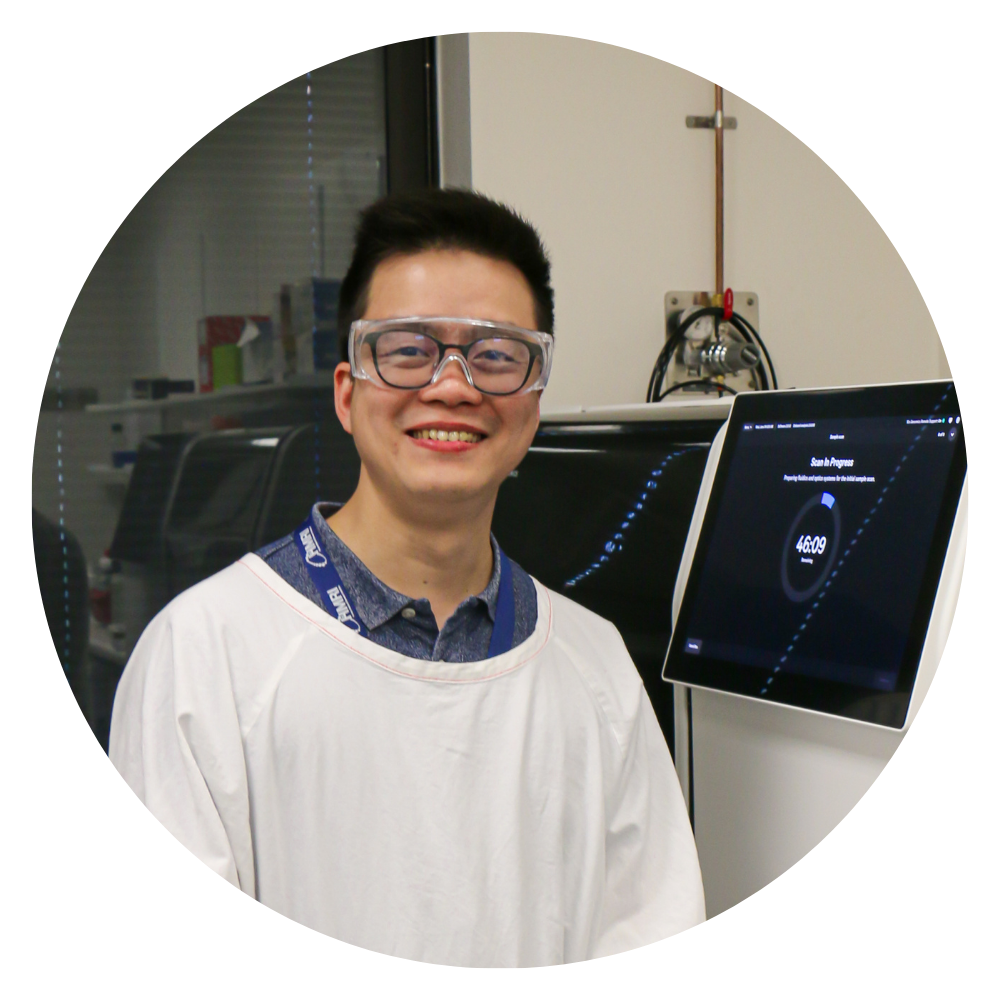
Dr Tuan Vo
PhD (Medical Genetics), M. Biotech
PhD (Medical Genetics), M. Biotech
The RUN DIPG Postdoctoral Research Fellow
Dr Vo is focused on developing and implementing single-cell and spatial multi-omics platform capability within the Cancer Signalling Research Group, to provide unique and expert analysis of human and animal-modelled DIPG. Tuan’s work will identify changes in tumour cells and the regulators driving cancer progression and therapy response.
View Dr Vo’s Academic Profile here.
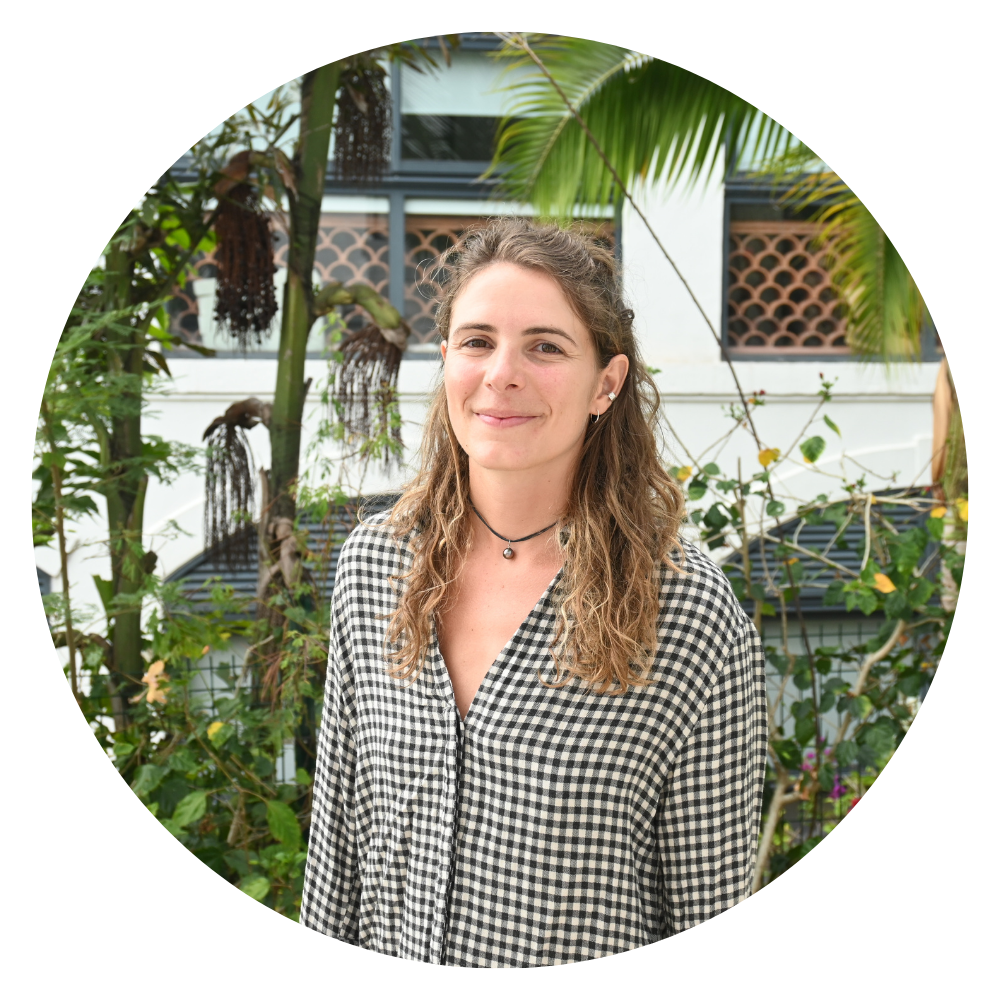
Dr Clara Savary
PhD.Bioinfo, M.CMB(Cell and
Molecular Biology), Eng.(Food Sci.)
PhD.Bioinfo, M.CMB(Cell and
Molecular Biology), Eng.(Food Sci.)
Bioinformatician
Collaborating through the University of New Caledonia, Dr Savary leads the bioinformatic analyses of CSRG, interpreting various sequencing data types from tumour cell lines, animal models, and patient samples. Her aim is to help elucidate the molecular basis of DMG and unravel the signalling pathways responsible for treatment resistance.
Connect with Dr Savary via LinkedIn here.
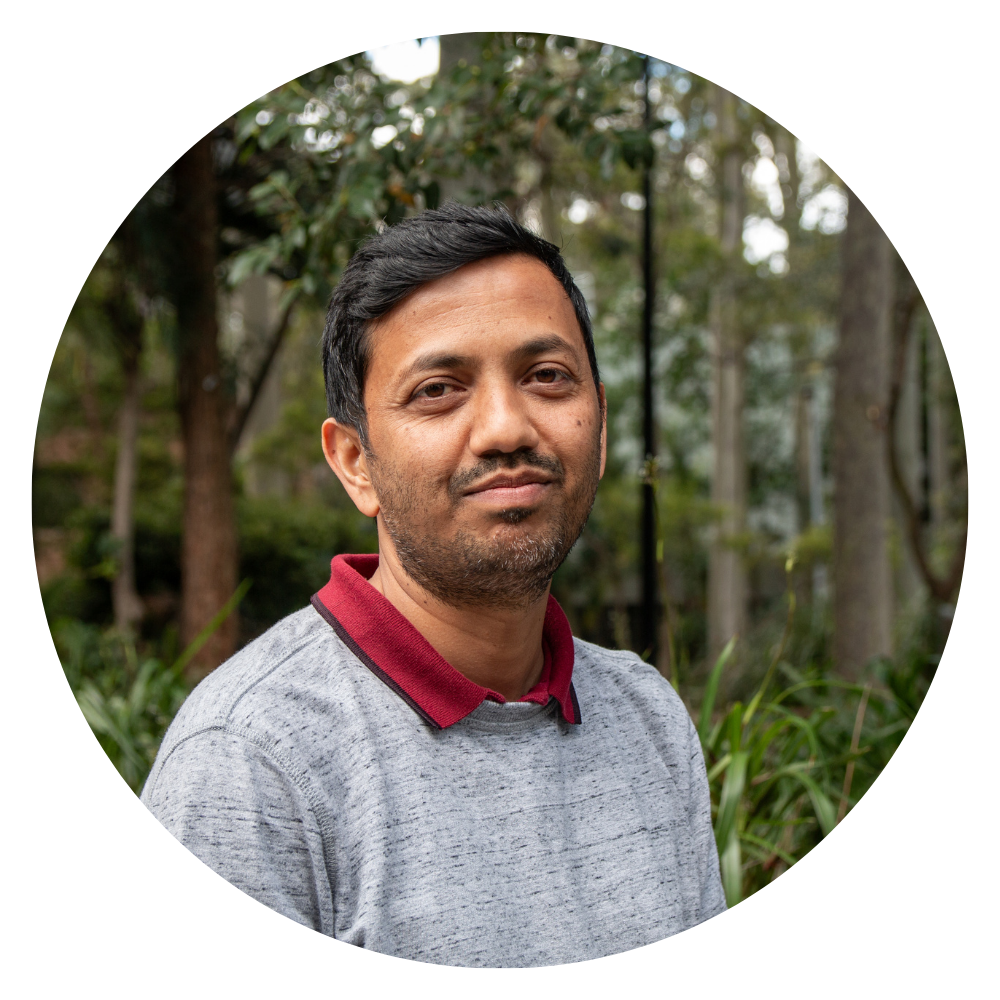
Dr Ranjith Jayaraman
PhD Immunology
PhD Immunology
Postdoctoral Research Fellow
Dr Jayaraman leads the Cancer Signalling Research Group’s immunological investigations. His work as a Postdoctoral Research Fellow utilises cell lines, animal models and patient samples to explore the ‘tumour immune microenvironment’ (physical and biological elements surrounding the tumour) and develop methods that will boost the body’s capability to identify and eliminate cancer cells.
View Dr Jayaraman’s Google Scholar profile here.
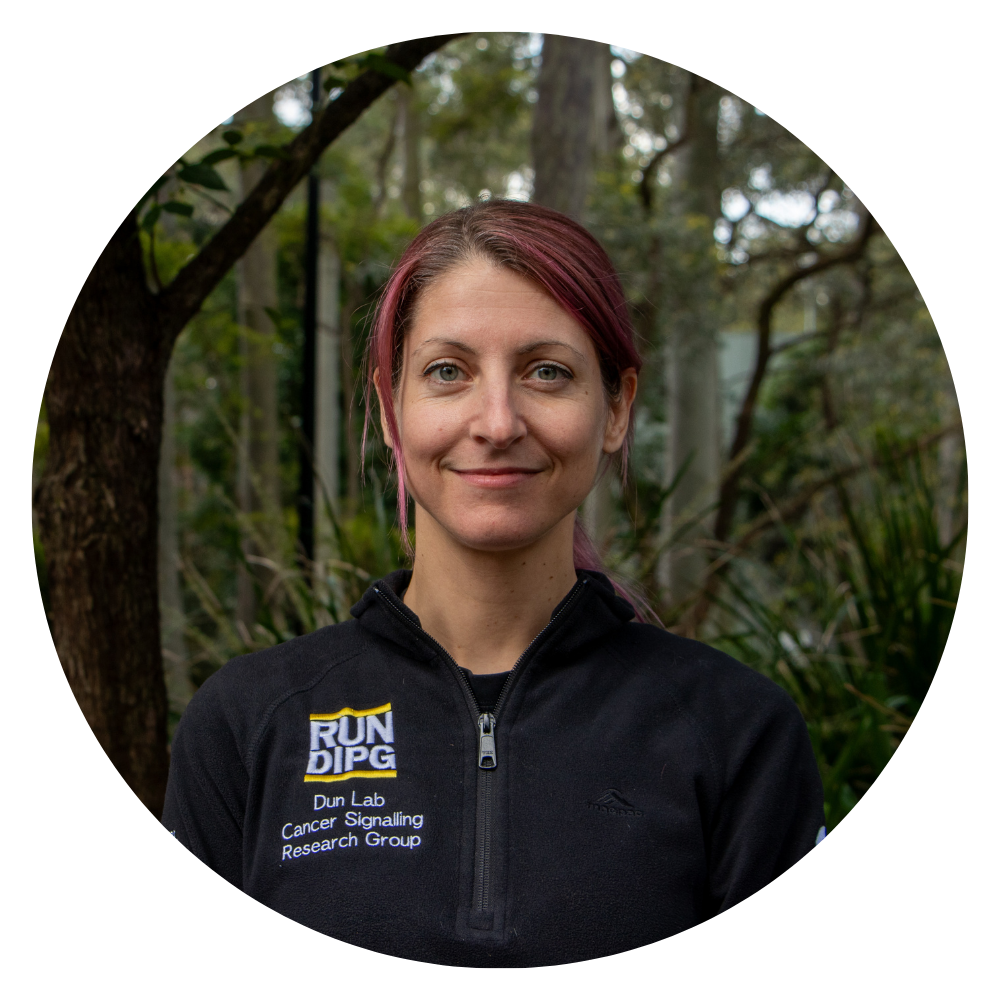
Florence Bartlett
Msc. Biochemistry Biotechnology
Msc. Biochemistry Biotechnology
Research Officer
Florence Bartlett-Tomasetig, originally from France, has joined the team as a Technical Officer in early 2025. With extensive expertise in light microscopy imaging, molecular biology, and 3D invitro cell culture, Florence is supportting the Cancer Signaling Research Group’s staff and students with experimental design, data collection, microscopy imaging, flow cytometry, invitro models and data analysis. She is also playing a key role in enhancing the group’s invitro capabilities in establishing organoid models to study the microenvironment of childhood brain cancer.
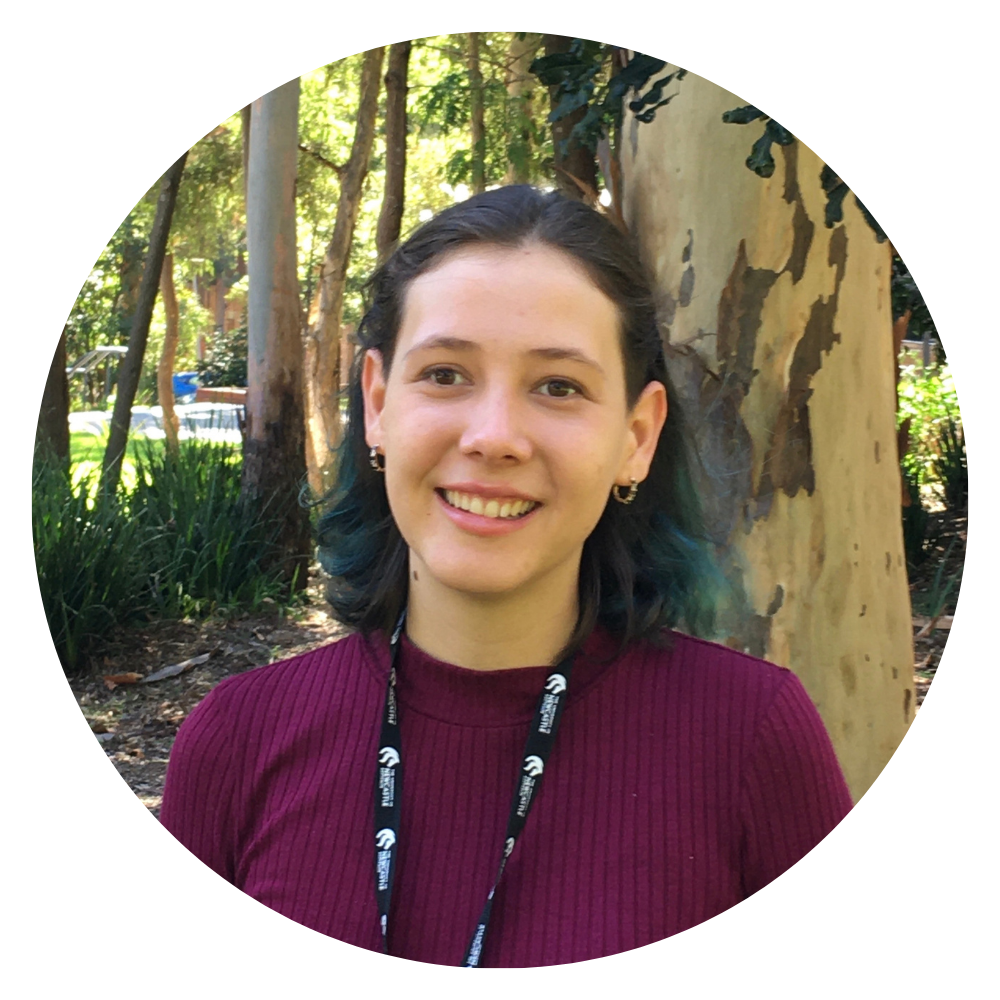
Holly McEwen
B. Adv. Science – Chemistry (Honours)
B. Adv. Science – Chemistry (Honours)
Holly leads the mass spectrometry analysis performed by the Dun Lab. A specialist technique that evaluates the protein and metabolite compositions of a sample, Holly supports the projects of both staff and students as they aim to understand and address DIPG. Mass spectrometry gives insight into the biological changes caused by DIPG on a sub-cellular level, as well as the mechanism and impact of different treatments. Holly also conducts pharmacokinetic analysis for the lab – the quantitative study of how drugs move throughout the body. This helps Prof Dun and the Dun Lab establish whether candidate therapies will be safe and effective against DIPG.
See Holly’s Google Scholar profile here.
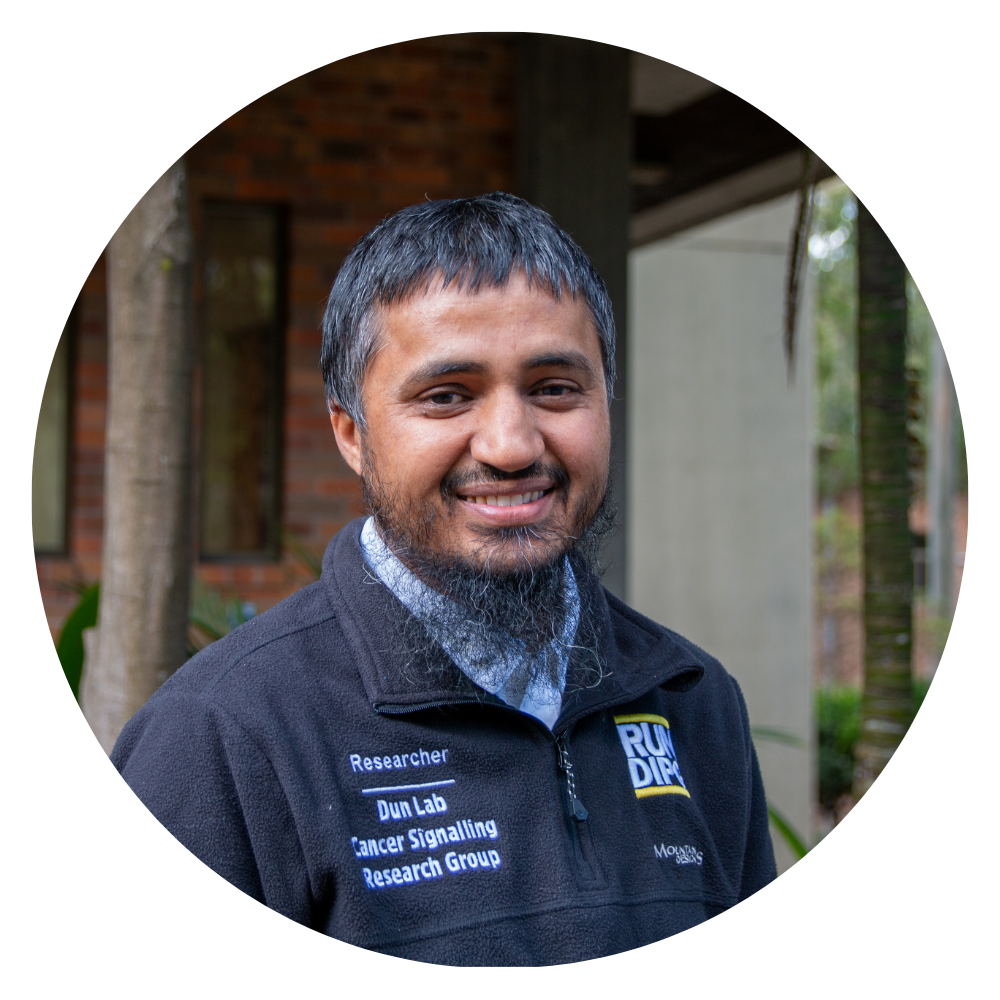
Dr Abdul Mannan
MS in Biotechnology and Genetic Engineering
MS in Biotechnology and Genetic Engineering
Scientist
Masud Rana is a PhD candidate in the Cancer Signalling Research Group at the University of Newcastle, under th supervision of Professor Matt Dun. His research focuses on atypical teratoid rhabdoid tumours (ATRT), a highly aggressive childhood brain cancer with poor survival outcomes. He is developing advanced 3D organoid models using induced pluripotent stem cells (iPSCs) to study how the extracellular matrix (ECM) influences tumour growth and immune response. By combining patient-derived tumour organoid/spheroids with immune-competent brain organoids, Masud aims to uncover ECM-driven mechanisms of immune suppression and identify new targets for immunotherapy. His work offers hope for improved treatments for children affected by this devastating disease.
View Dr Mannan’s ResearchGate profile here.

Dr Mark Marsland
PhD
PhD
Mark has published several scientific papers and has taught university students in areas like genetics, cell biology, and cancer research. He enjoys bridging complex science with practical laboratory work to help improve our understanding of cancer.
Read more about Mark’s past research here.
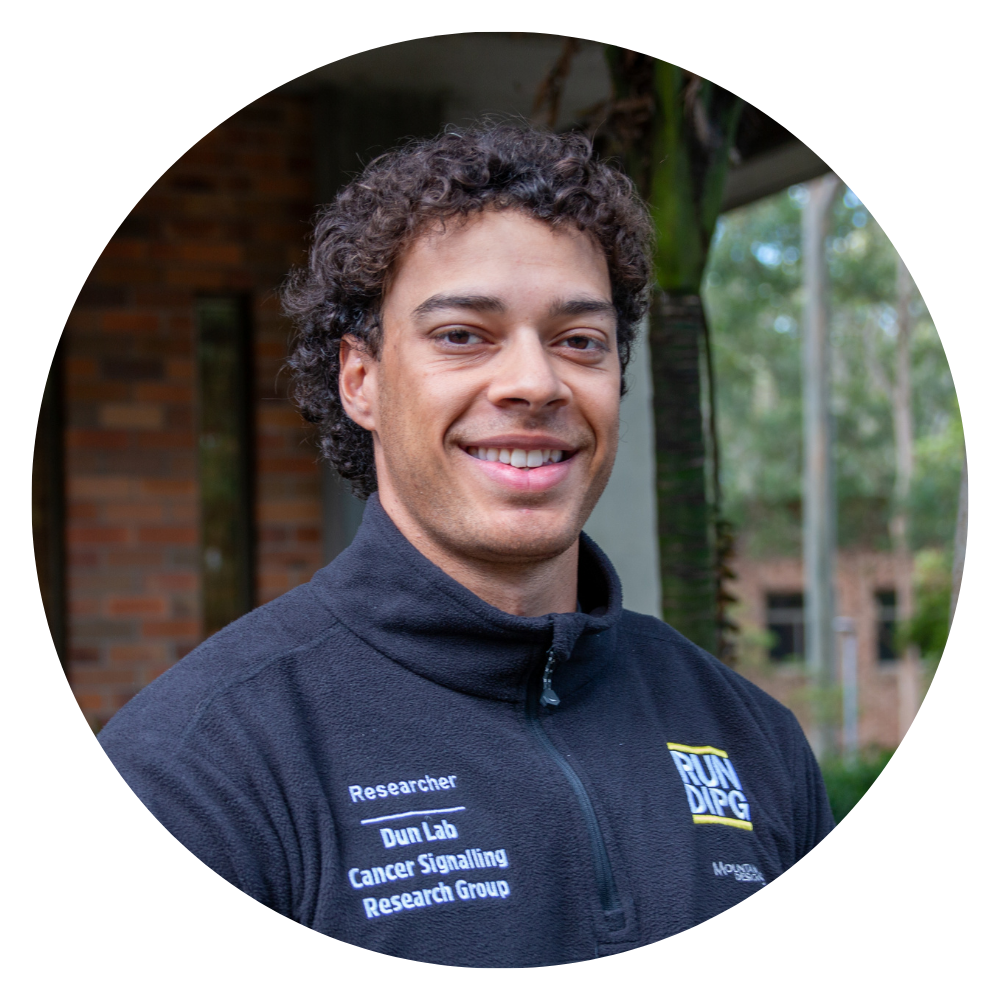
Tyrone Beitaki
B. Biomed
B. Biomed
Scientist
Tyrone assists staff and students of the Dun Lab through support of critical animal studies. An essential piece of the DIPG research puzzle, Tyrone’s role involves monitoring and treating DIPG animals, and ensuring the group’s studies comply with the ethical and regulatory frameworks that apply to such.
Access Tyrone’s research here.
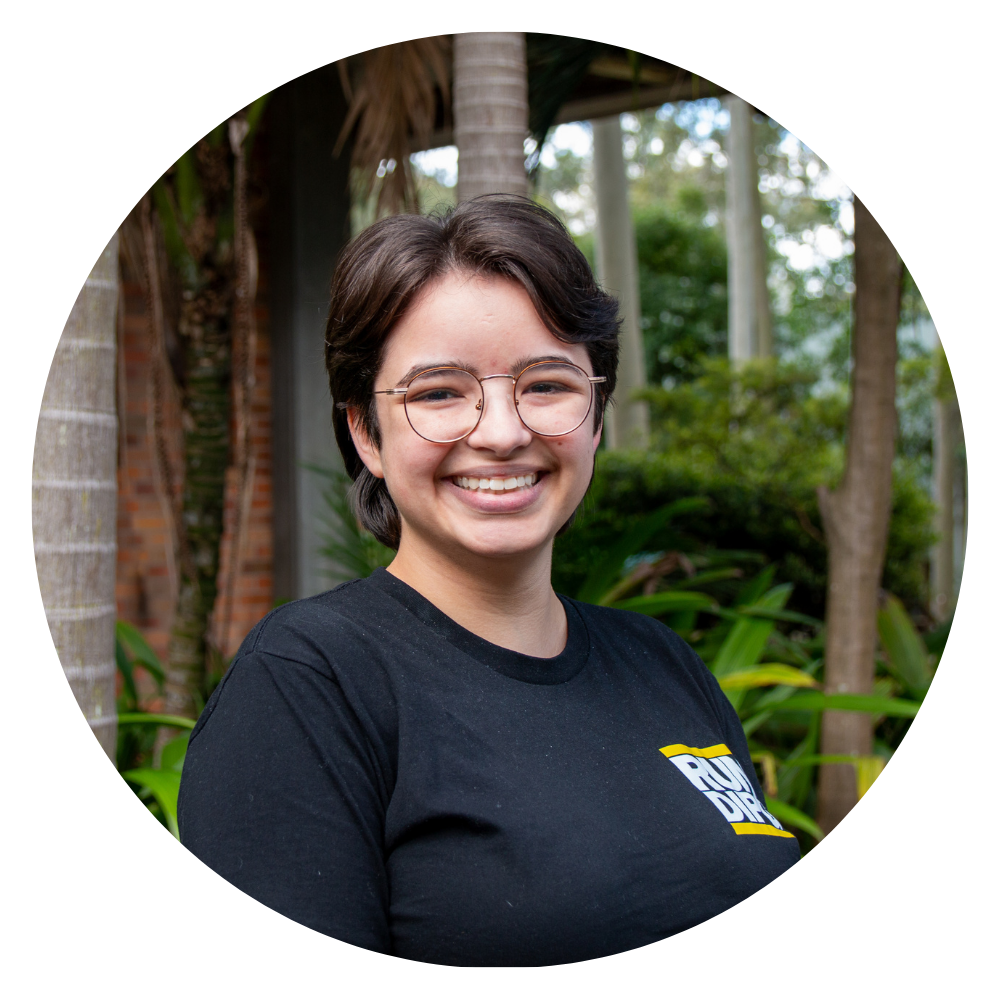
Marissa Lally
B. Neuroscience
B. Neuroscience
Scientist
Marissa is a research assistant within the Cancer Signalling Research Group, working primarily with the animal studies. Marissa’s role includes the experimental treatment and welfare monitoring DMG animals, while ensuring ethical compliance.
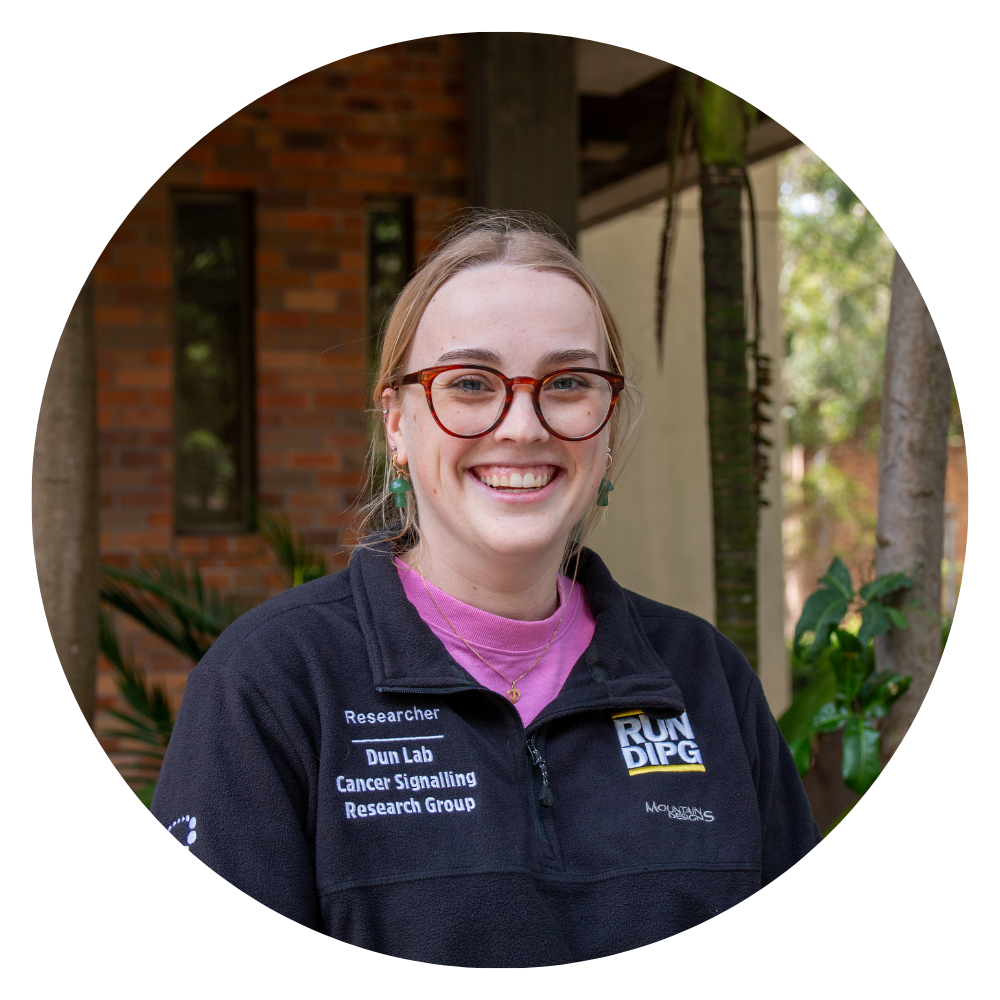
Jasmine Cairney
B. Biomed Student
B. Biomed Student
Research Assistant
Joining the group in 2024, Jasmine supports the administrative and logistical requirements of the Dun Lab. Facilitating the growing group’s ordering, stock handling and general lab space upkeep, Jasmine’s involvement ensures the staff and students of CSRG can focus on the scientific tasks at hand.
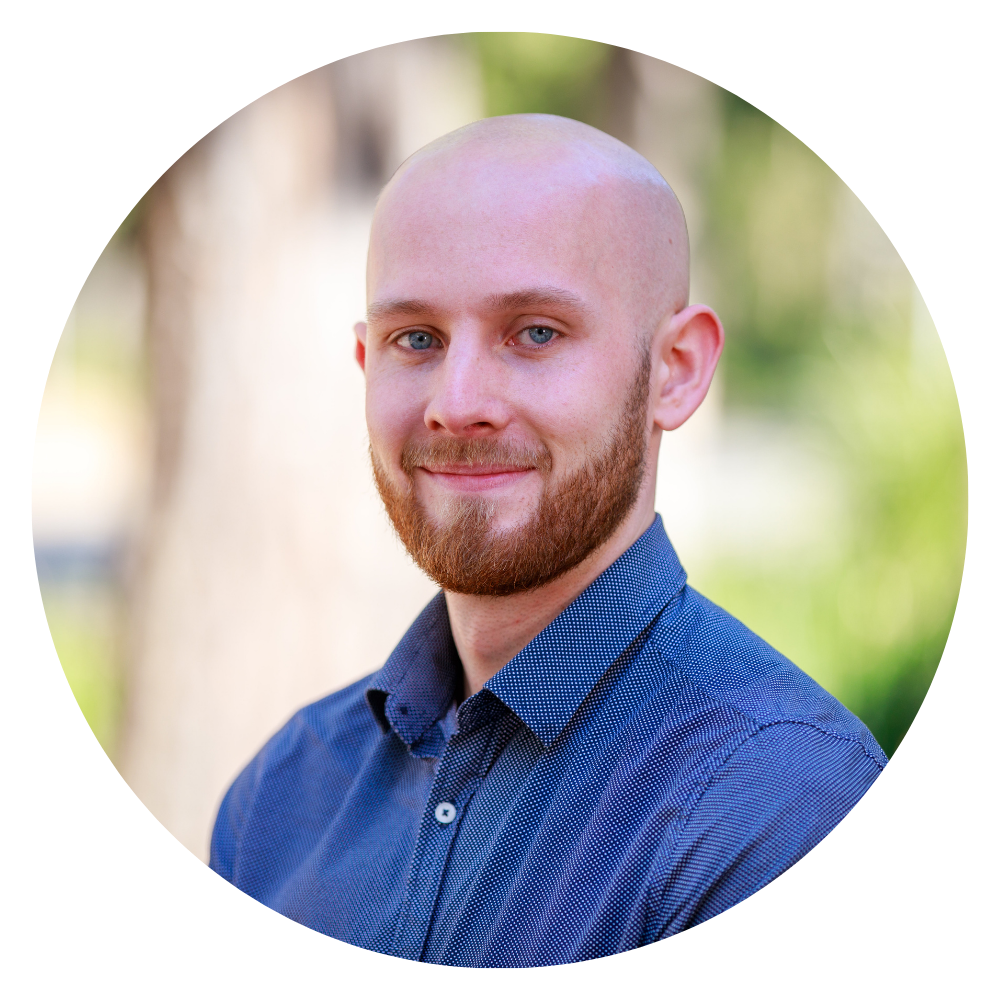
Izac Findlay
B. Biomed (Honours)
B. Biomed (Honours)
RUN DIPG Moving Towards a Cure
HDR Scholar
Receiving the RUN DIPG Moving Towards a Cure HDR Scholarship, Izac is a PhD student working under the guidance of Prof Matt Dun, in the University of Newcastle’s Cancer Signalling Research Group. Izac has been tasked with characterising the proteogenomic landscape of DIPG/DMG tumours.
DMG/DIPG tumours harbour unique combinations of gene mutations (genomics), which have subsequent impacts on the function of proteins (proteomics) – the controllers of cell growth and response/resistance to anti-cancer therapies. As genomic approaches take priority at diagnosis, we have a good understanding of the gene mutations present in DMG/DIPG tumours, but we don’t know what exact impact they have on proteins, resulting in the large majority of patients remaining without any druggable targets.
Izac’s research aims to simultaneously investigate the genes and proteins of DMGs/DIPGs to uncover these impacts and utilise this information to prescribe FDA-approved and/or new experimental precision therapies, providing effective therapeutic strategies to patient tumours with previously little to no treatment options.
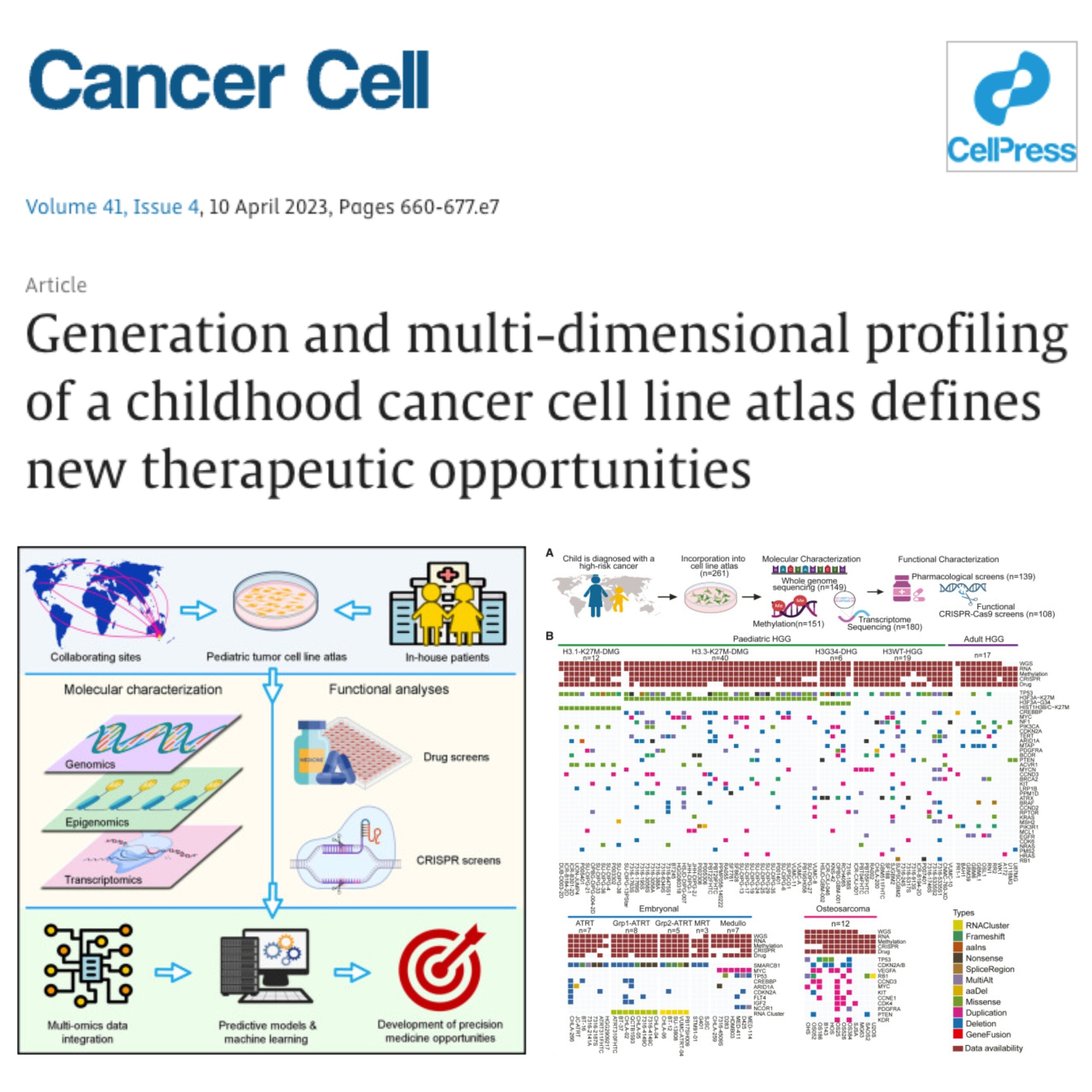
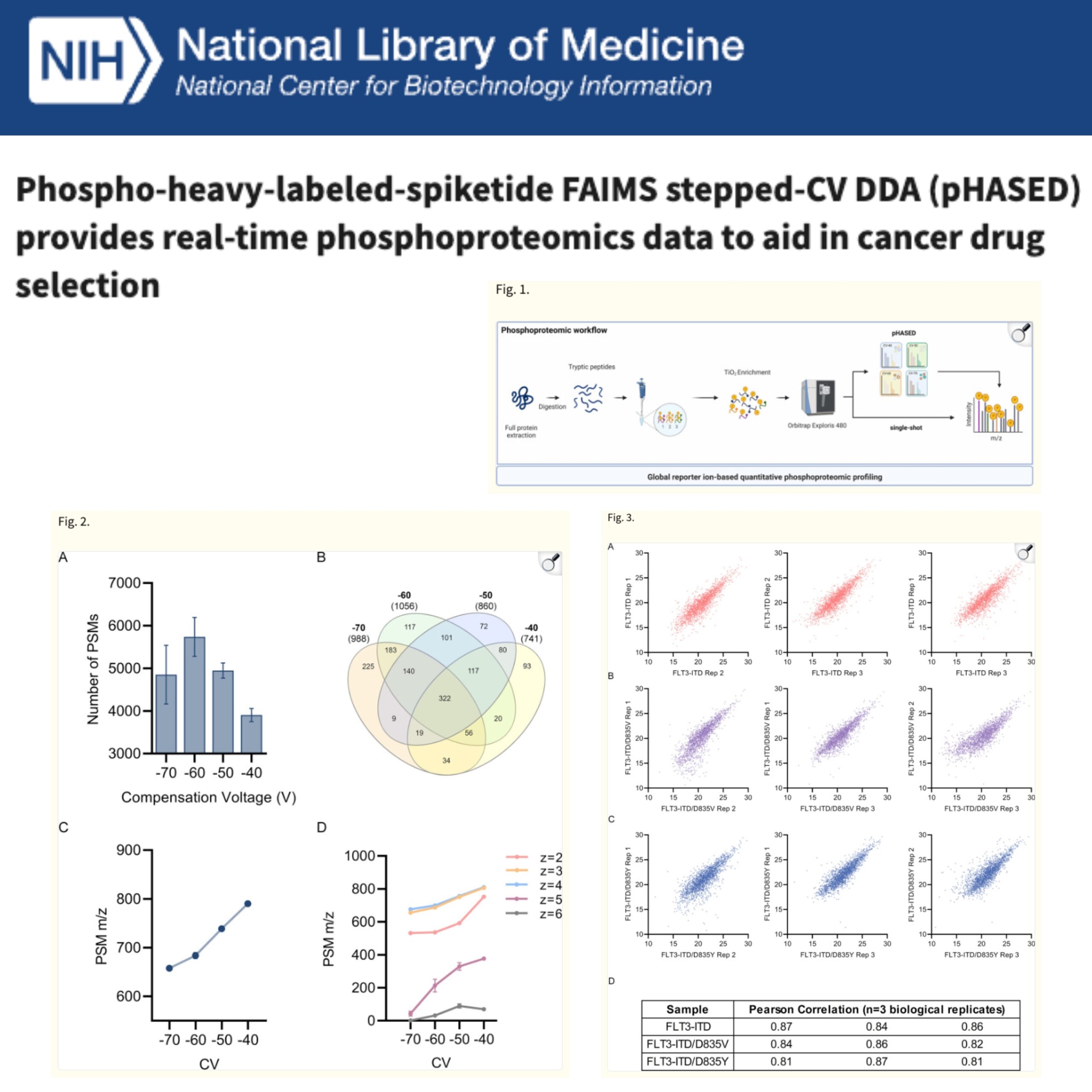
A project co-funded by The Kids Cancer Project (and others), Izac has collected, cultured and had sequenced over 210 DIPG/DMG patient samples that are undergoing multi-omic (genomic, methylomic, epigenomic, transcriptomic and proteomic) analysis. Using sophisticated bioinformatics analysis techniques, the data will be collated into (what is hoped to be) a valuable clinical resource for those treating DMG/DIPG patients.
Izac is trained in expert bioinformatic and genomic analysis following a 12-month intensive training program under Prof Sebastian M. Waszak at the École Polytechnique Fédérale de Lausanne, Switzerland.
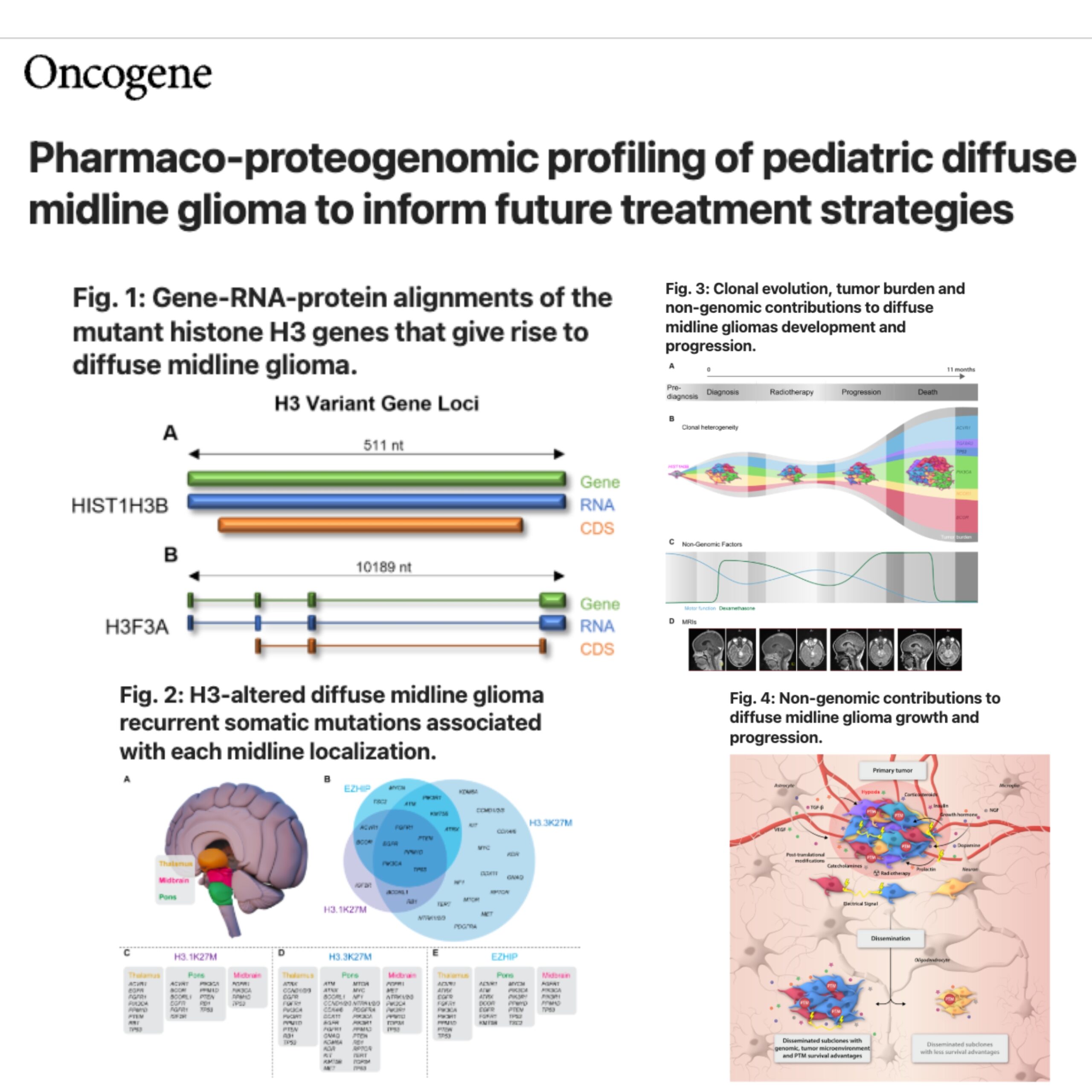
Penned alongside Prof Dun, Izac’s investigation of the genomic heterogeneity of DMG and analysis of how proteomic characterisation may improve treatment paradigms can be found here.
Read his researcher’s bio on Research Gate here.
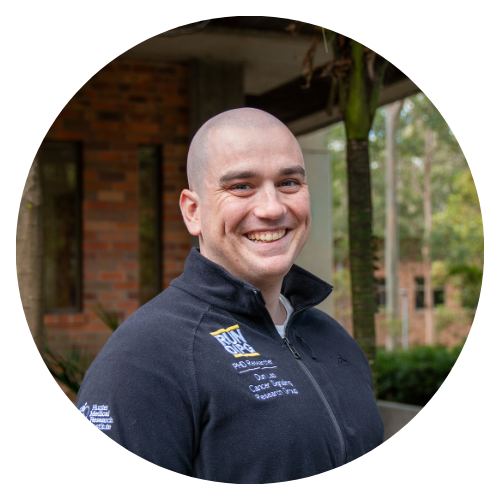
Bryce Thomas
B. Biomed Sci,
B. Advanced Studies (Honours)
B. Biomed Sci,
B. Advanced Studies (Honours)
PhD Scholar
Joining the lab in 2023 as inaugural Little Legs Foundations’ Alegra’s Army® PhD scholar, Bryce’s project has been exploring the immune landscape and tumour architecture of DIPG/DMG and develop a new immune-based therapy. Under the supervision of Prof. Matt Dun, Bryce has identified a unique protein expressed by the cancer cells that creates a protective barrier around the tumour that acts as a “moat”, preventing the immune system and drugs from killing these tumours. This however presents a unique treatment opportunity to develop a therapy that specifically targets the cancer cells and one of its defence mechanisms.
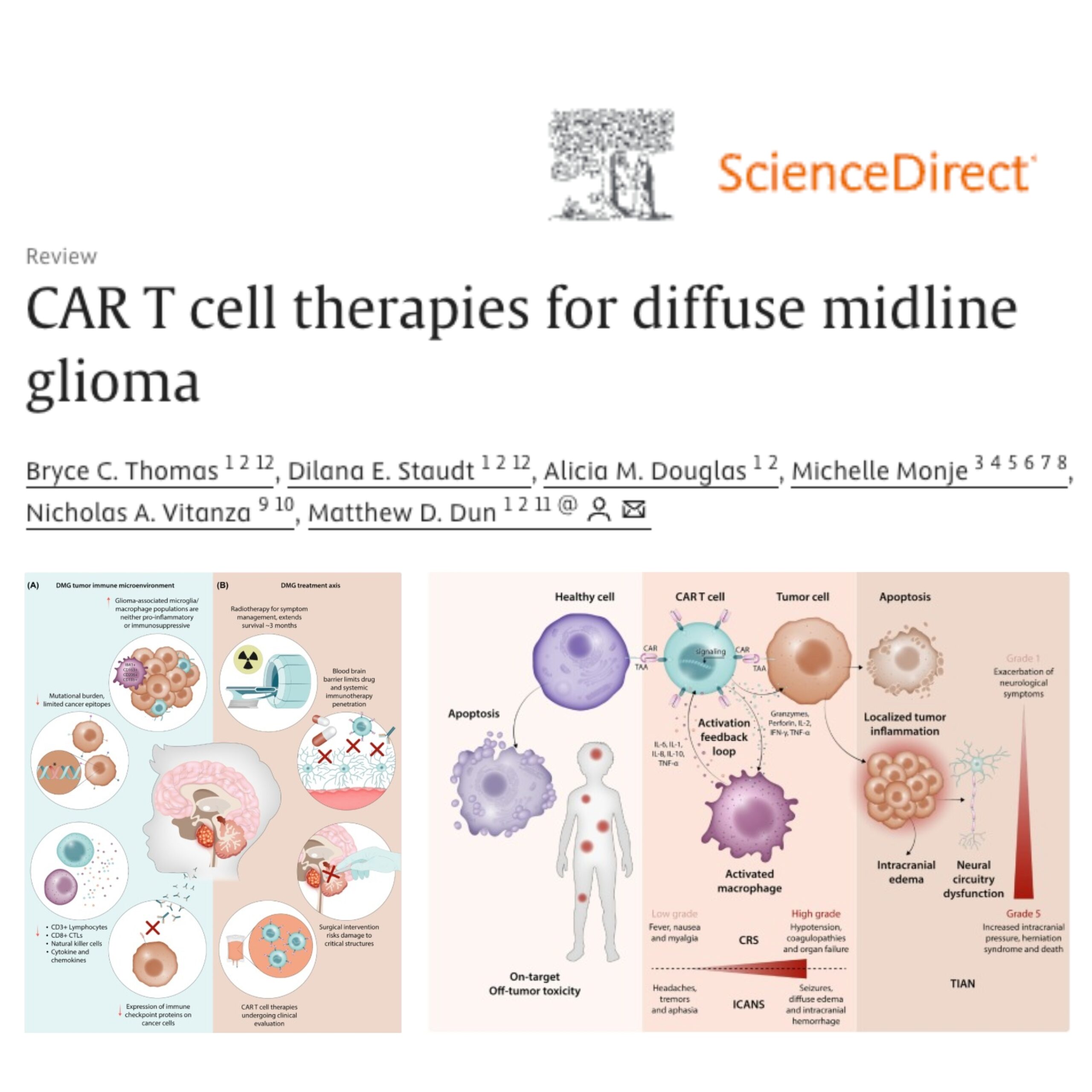
One such therapy being explored is a chimeric antigen receptor (CAR) T cells, a type of “living drug”. CAR T cell technology utilises white blood cells taken from patients that are then genetically modified and grown in the lab to target a cancer protein which are then given back to patients to selectively kill their own cancer. Bryce will build on his three years of experience working with CAR T cells across several cancers including DIPG/DMG, as well as his Honours project where he received the Neil and Norma Hill Foundation award for best translational research project, investigating new safety mechanisms to improve CAR T cell therapy.
To date, Bryce has received multiple awards including the People’s Choice Poster Presentation at the Australian Paediatric Immunotherapy Conference (2023) and the Best Higher Degree Research Poster Presentation at the School of Biomedical Science and Pharmacy Research Showcase, University of Newcastle (2023).
His research is proudly supported by the Little Legs Foundation and the Charlie Teo Foundation through Alegra’s Army Research Grant and Scholarship. Bryce was also a recent recipient of the Col Reynolds PhD Top Up Scholarship from The Kids Cancer Project.
Read more via Linked In.

Yuanhao Jiang
M.Sc (Data Science)
M.Sc (Data Science)
RUN DIPG ‘Warrior Jack’ PhD Scholar
As PhD student and member of the Cancer Signalling Research Group, Yuanhao joined the Dun Lab as the RUN DIPG ‘Warrior Jack’ PhD Scholar in 2024. Through 2024-2027, Yuanhao aims to develop a robust classification system for DMG tumours. He will study genomics, methylation signatures, and histological features of 210 tumour samples, using artificial intelligence to understand whether DMG tumours can be subtyped. Ultimately, the project seeks to understand whether subtyping can guide treatment selection that gives improved survival outcomes. A complex and technically challenging project, with RUN DIPG’s support, Yuanhao will draw on skills developed throughout his Masters in Data Science and undergraduate achievements in Engineering.
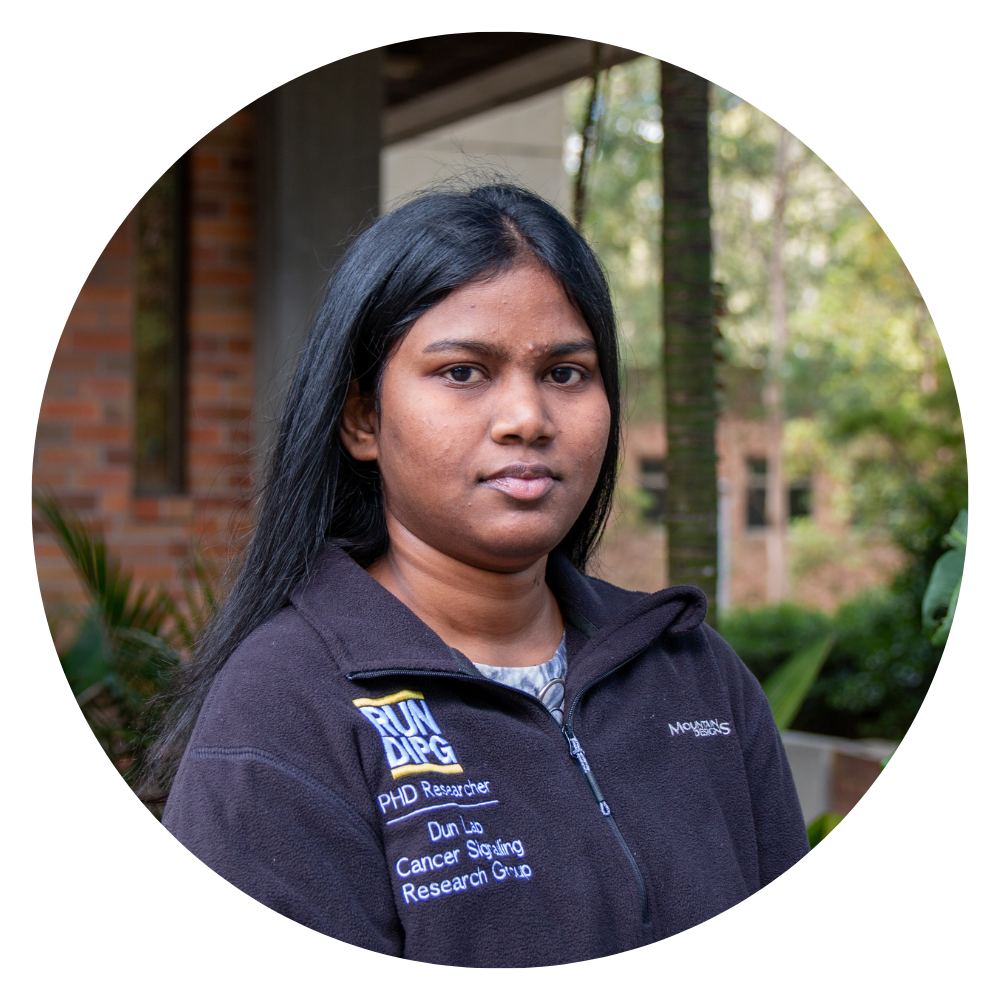
Pooja Kumari
Msc. Biotechnology (Biomedical)
Msc. Biotechnology (Biomedical)
PhD Candidate
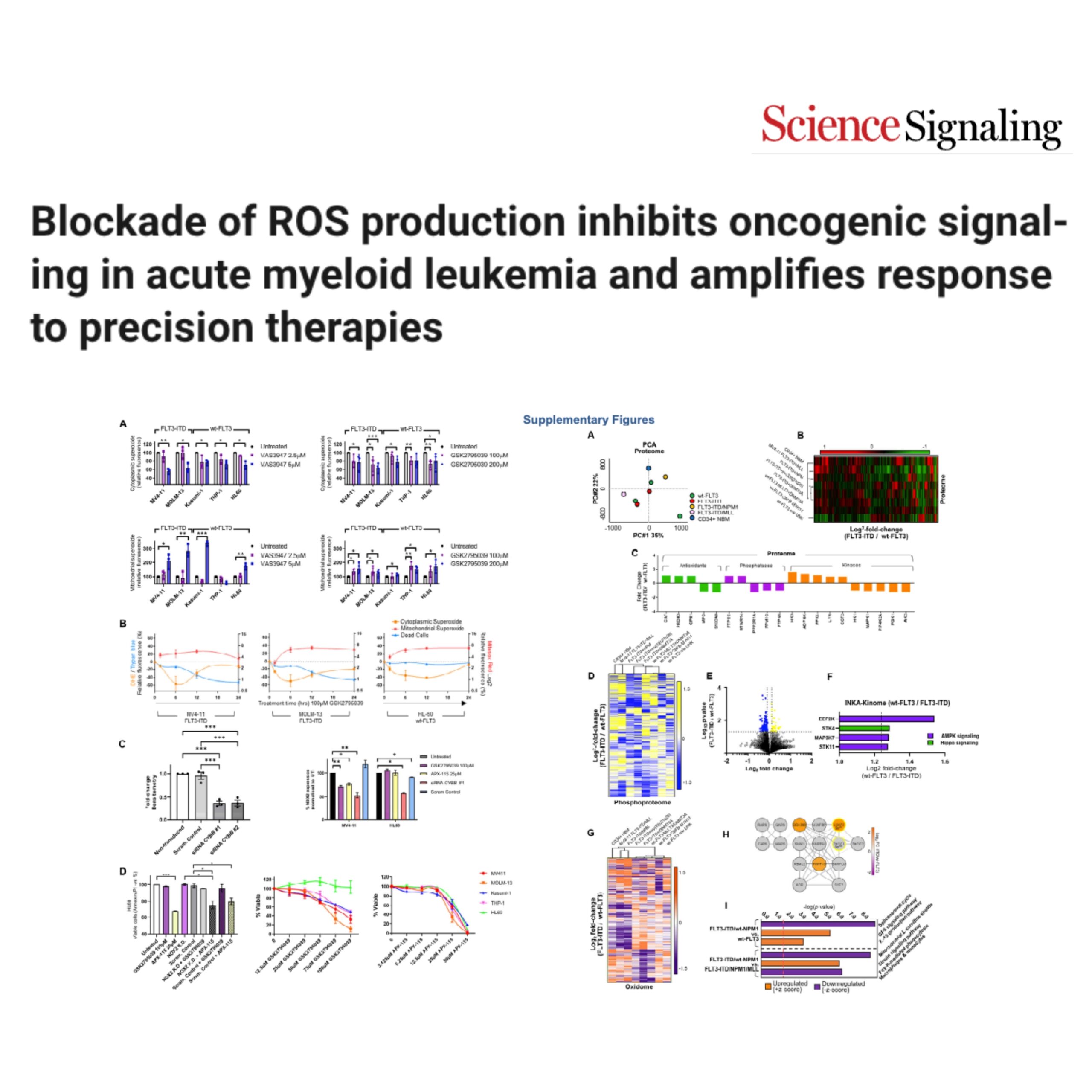
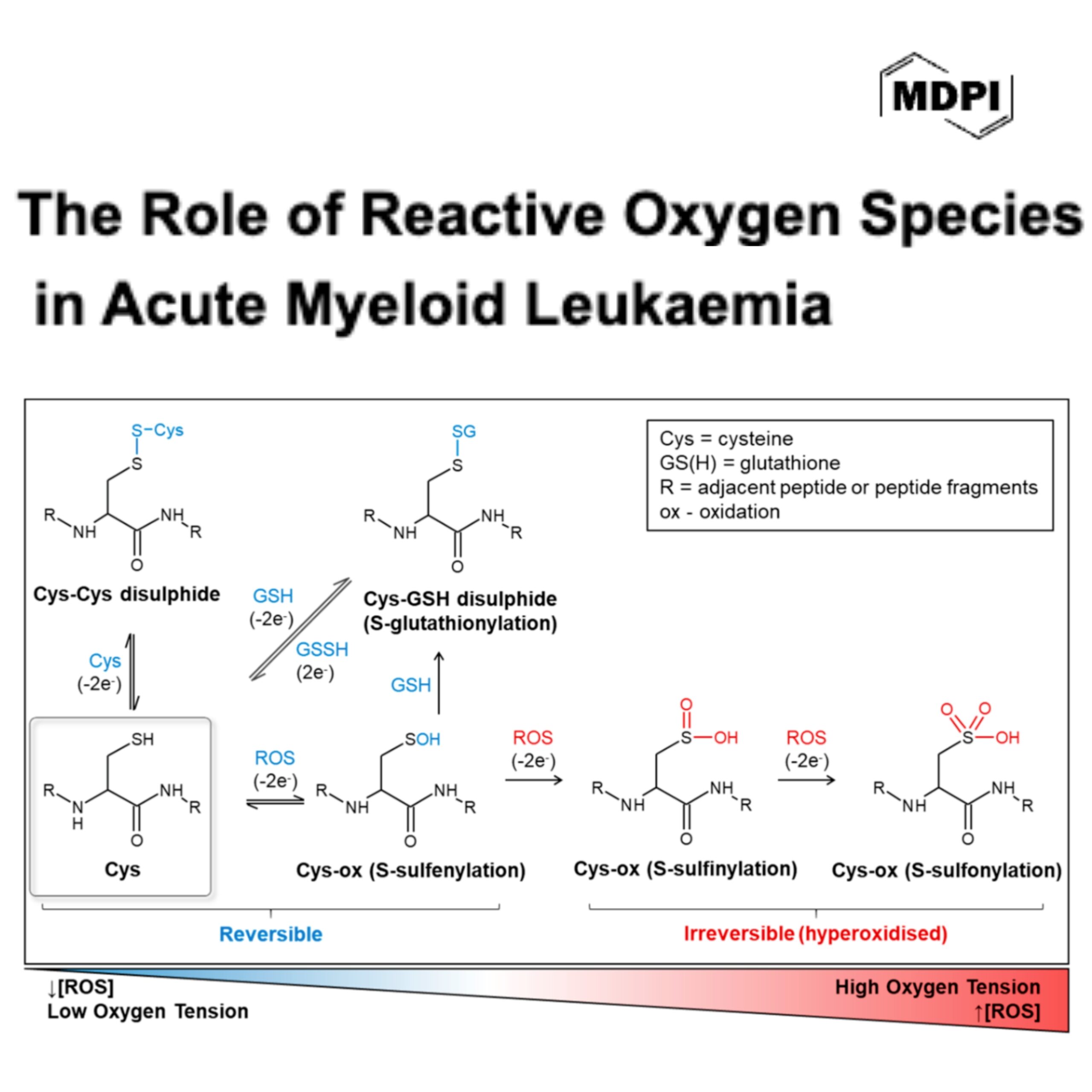
Pooja is a PhD candidate and a member of Cancer Signalling Research Group under the supervision of Prof. Matt Dun. Her project focuses on understanding how oxidative stress and changes in cel metabolism contribute to therapy resistance in DMG. Her project investigates how reactive oxygen species (ROS), produced within the tumour cells disrupt key proteins that regulate gene expression. This disruption may allow DMG cells to become more adapatble and resistant to treatment. By targeting the sources of ROS, Pooja aims to restore normal cellular funcion and uncover new therapeutic strategies to improve outcomes for children with DMG.
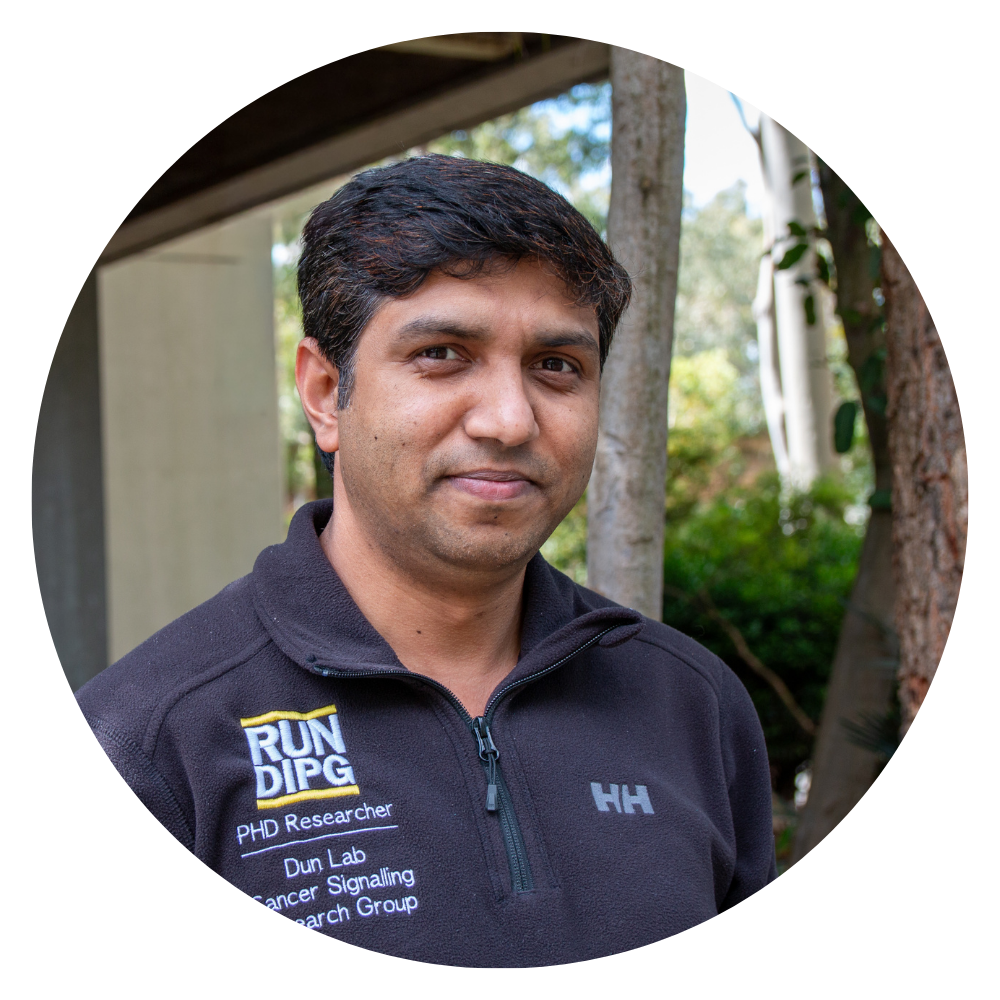
Md Masud Rana
MS in Biotechnology and
Genetic Engineering
MS in Biotechnology and
Genetic Engineering
PhD Candidate
Masud Rana is a PhD candidate in the Cancer Signalling Research Group at the University of Newcastle, under th supervision of Professor Matt Dun. His research focuses on atypical teratoid rhabdoid tumours (ATRT), a highly aggressive childhood brain cancer with poor survival outcomes. He is developing advanced 3D organoid models using induced pluripotent stem cells (iPSCs) to study how the extracellular matrix (ECM) influences tumour growth and immune response. By combining patient-derived tumour organoid/spheroids with immune-competent brain organoids, Masud aims to uncover ECM-driven mechanisms of immune suppression and identify new targets for immunotherapy. His work offers hope for improved treatments for children affected by this devastating disease.
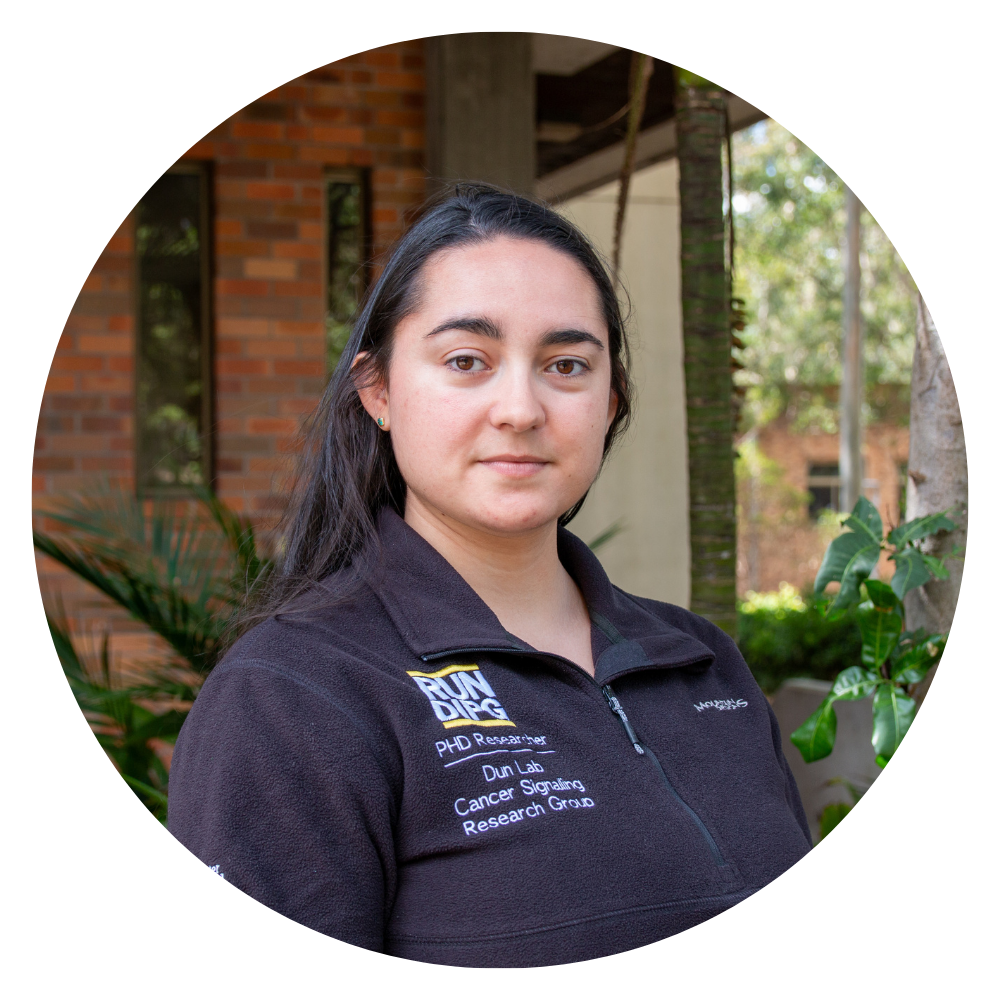
Océane Dubois
M. Biotechnology
M. Biotechnology
Harper Dowdall International PhD Scholarship
Océane Dubois is a first year PhD candidate at the University of Newcastle, joining the Cancer Signalling Research Group under the supervision of Prof Matt Dun. Hailing from France, her training and industry experience to date is focused in data analysis for preclinical research as part of a multidisciplinary team. Océane is now applying these techniques and experience to the study of cancer spatial transcriptomics. Her PhD project focuses on understanding therapeutic adaptability in DMG. She aims to uncover how tumour cells and their microenvironment respond to treatment, and how these adaptive mechanisms contribute to therapy resistance.
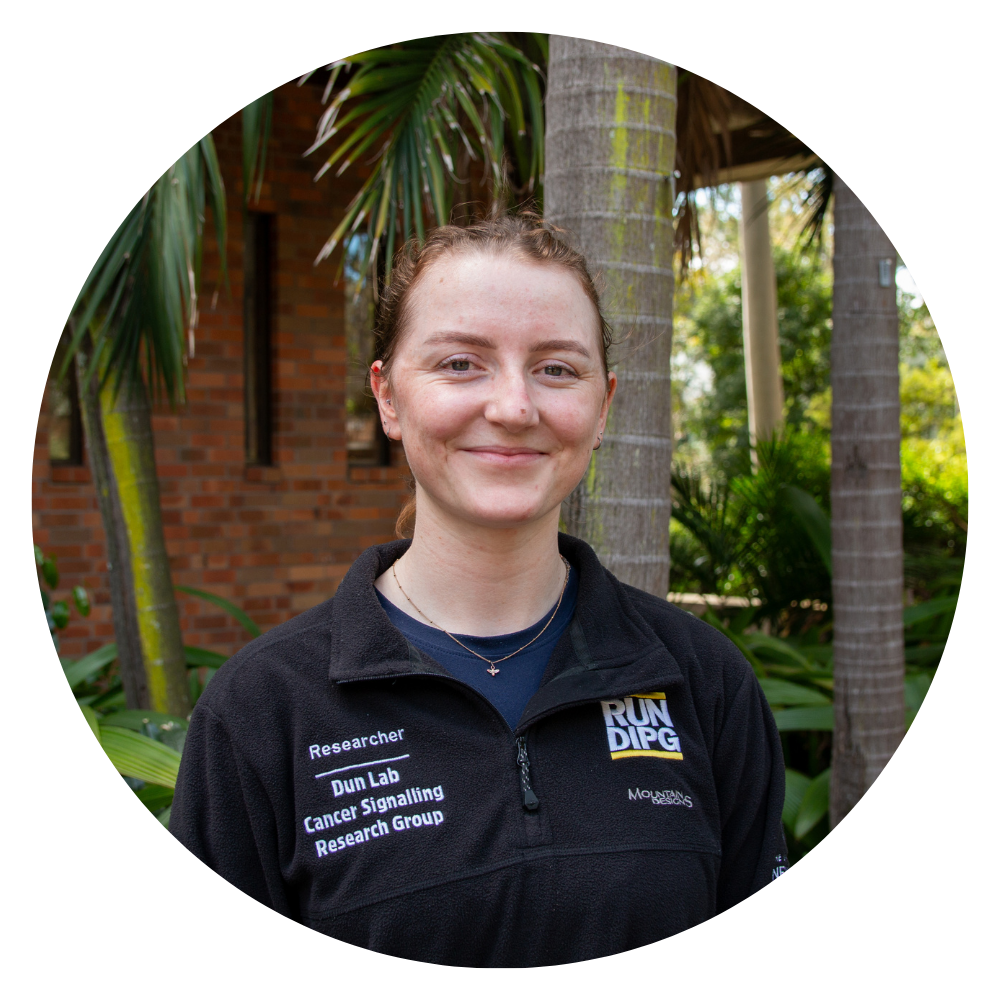
Olive Loughnan
M. Genome Analytics
M. Genome Analytics
PhD Candidate
Olive is a first-year PhD student who has just joined the Cancer Signalling Research Group under Prof. Matt Dun’s supervision. Olive’s current work focuses on a technique called single-cell transcriptomics, which allows researchers to study how individual cancer cells adapt and become resistant to treatment over time. By identifying the changes that help DMG/DIPG tumours survive treatment, Olive hopes to uncover new ways to make cancer therapies more effective for patients.

Yunlei Fan
B.Clinical Medicine, M.Pharmacology
Yunlei is studying how DMG cancer cells’ energy use and chemistry affect the way their genes are switched on and off.
Her project focuses on a newly discovered chemical tag on proteins, called lysine lactylation, which connects the build-up of lactate (a by-product of cell metabolism) to the control of genes. By charting how this tag changes the structure and packaging of DNA inside tumour cells, Yunlei hopes to uncover a weak point in the cancer’s control system that could be targeted with new treatments to improve outcomes for children with DMG.
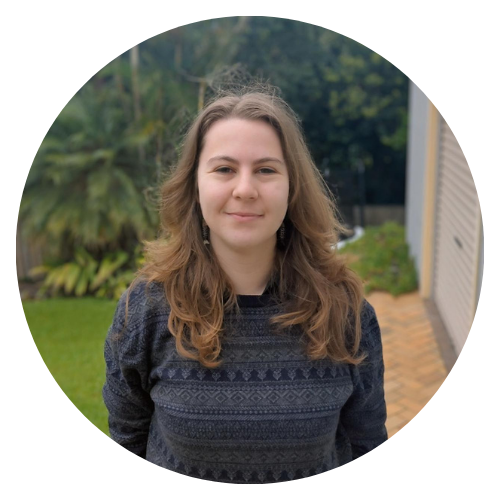
Bella Petraello
B. Biomed
B. Biomed
Honours Student
Bella joins the Dun Lab as a B.Biomed Honours student in 2026, and will be studying the intricacies of the DMG patient immune system, particularly alongside dordaviprone therapy. A major challenge in DMG is that the immune system becomes suppressed, especially T?cells, which are the body’s main cancer?fighting cells. Instead of circulating through the body, many T?cells get “stuck” inside the bone marrow, leaving the tumour free to grow. Dordaviprone has shown promise in helping some children with DMG live longer. One important effect of the drug is that it seems to help release T?cells from the bone marrow, allowing them to enter the bloodstream again, and potentially join the fight against the tumour. Bella will use advanced technologies to study how, and why this occurs, and whether this understanding can bring the benefit of immune-based therapies to DIPG/DMG patients.

Heath Murdoch
B. Biomed
B. Biomed
Honours Student
Heath is completing his Honours studies with the Dun Lab in 2026. He will investigate how dordaviprone (ONC201) changes DMG cell energy systems (particularly the mitochondria), and the flow on effects for genes switched on or off. As different parts of a DMG tumour can respond differently to anti-tumour therapies, understanding which elements are controlling particular areas of tumour activity is an important step in developing meaningful treatments for DIPG/DMG patients. Heath will work closely with Dr Tuan Vo, together refining ‘spatial technology’ protocols that will one day create a map of dordaviprone tumour response.
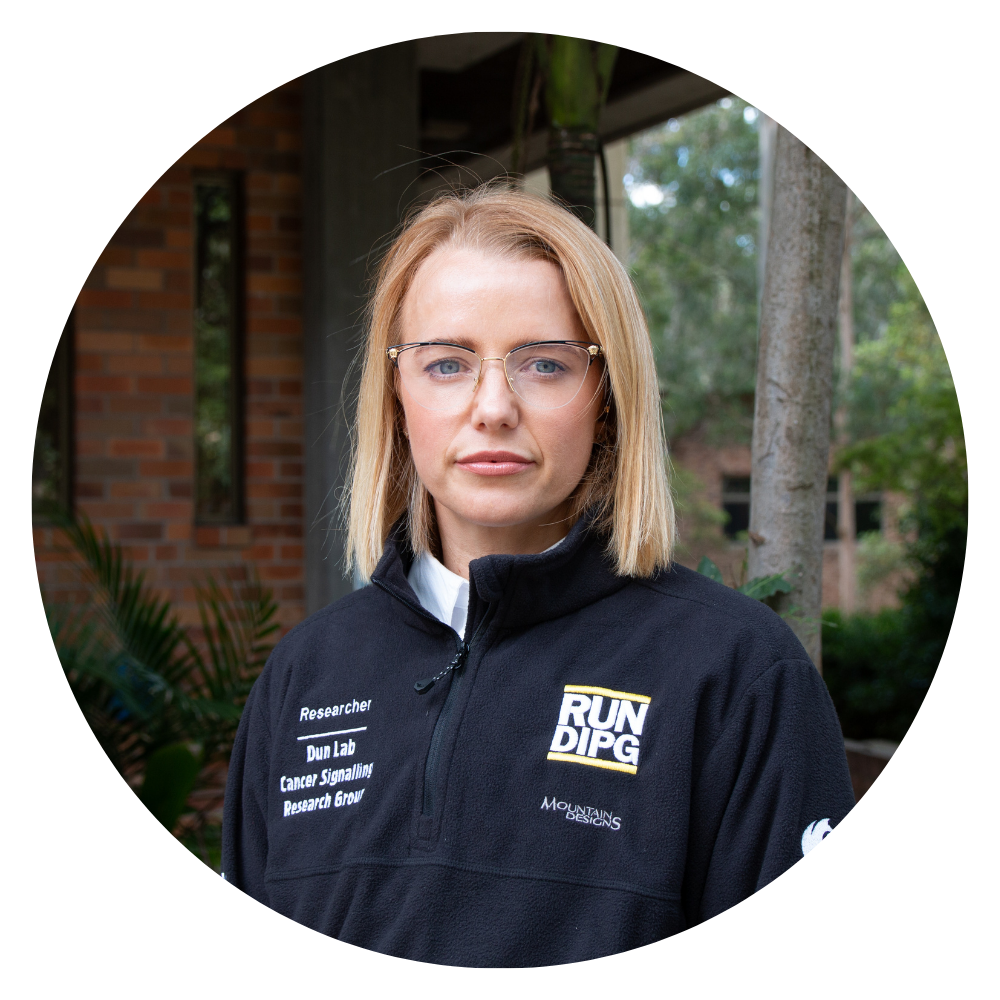
Dr Tabitha McLachlan
B.Teach/B.Sc, M.Pharm, PhD
(Medical Biochemistry)
B.Teach/B.Sc, M.Pharm, PhD
(Medical Biochemistry)
Research Projects Manager
Dr Tabitha McLachlan is the Research Projects Manager for the Cancer Signalling Research Group (CSRG), where she helps guide and coordinate the group’s cancer research projects. After earning her PhD in Medical Biochemistry with Professor Matt Dun, Tabitha combines her strong scientific background with skills in program management and research operations. She helps make sure the group’s work follows scientific, ethical, and data standards across its different research sites. Tabitha leads several major projects, including the DMG-ADAPTS initiative, the development of spatial-omics technology, and partnerships with international research teams. Her leadership helps keep research goals aligned with hospital and clinical needs, improving efficiency and collaboration across lab, clinical, and data-focused projects.
She has played a key role in moving and setting up advanced research equipment at HMRI, creating clear procedures and data management systems, and building connections between scientists and clinicians to speed up the path from research discovery to patient benefit. Tabitha is passionate about developing strong systems and partnerships that help teams deliver science that makes a real difference.
Connect with Dr Tabitha via LinkedIn here.
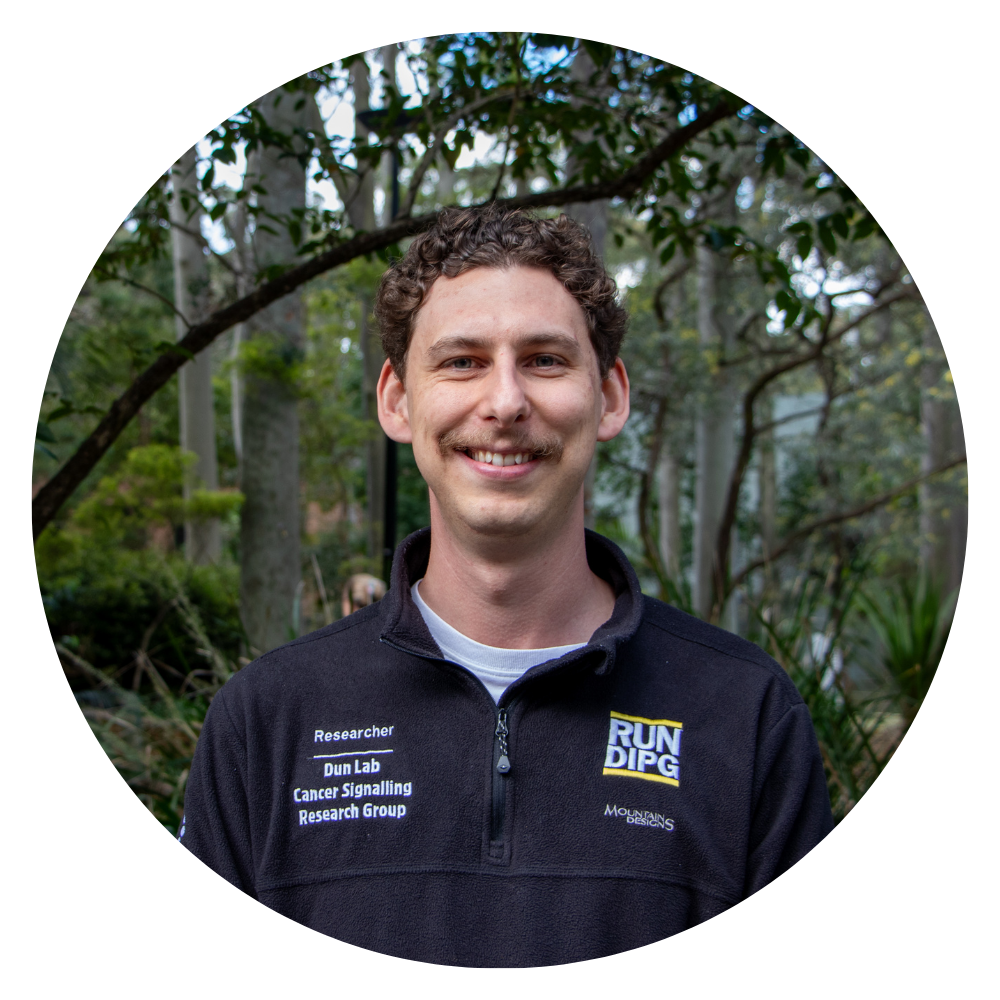
Dr Zac Germon
PhD Med. Biochem
PhD Med. Biochem
Project Manager – TUNRA
Dr Zac Germon is Project Manager for the Dun Lab’s major research project known as the ‘Frontier’. The notable $18.7M award via the government’s Medical Research Future Fund (MRFF) sees Dr Germon pivot from CSRG Postdoctoral Researcher to the Frontier project lead from 2026. Tasked with developing and rigorously testing novel anti-DMG compounds before transitioning to clinical trial, the five-year endeavour represents a new and exciting path for both Zac and the Dun Lab.
Joining Prof. Matt Dun’s team as a student in 2016, Dr Germon will continue to use his deep understanding of cell and molecular biology techniques, drivers of aggressive cancers, and the influence of the tumour immune microenvironment in the pursuit of effective DMG therapies under the Frontier term.
More on Dr Germon Here.

Alicia Douglas
B. Biotech, M. Pharm
B. Biotech, M. Pharm
Cancer Signalling Research
Group Manager
Alicia is the Research Manager for the Cancer Signalling Research Group at UON/HMRI. Alicia facilitates Prof Matt Dun and the staff and students of CSRG in achieving their research goals within budget, to designated timelines and while meeting their regulatory responsibilities. Coordinating the preparation and submission of funding applications, scientific manuscripts, ethics applications and reporting requirements, Alicia ensures Matt and the team can execute their lab-based research in a smooth and productive manner. She won the Individual Award at the 2025 Professional Staff Excellence Award from the University of Newcastle.
View Alicia’s contribution to DIPG/DMG research here.
Alicia received the University Individual Staff Excellence Award in 2025.
PUBLISHED WORK
To view a more up to date list of Professor Matt Dun’s publications, see here.